What Is Anime Pilgrimage?
A real-world travel experience built around the streets, shrines, stations, towns, and landscapes that inspired anime scenes and settings.
Real-Life Locations & Seichi Junrei Guide. Updated for 2026 with maps, transport tips, and fan secrets.
Anime Location MapExplore More
Jump to
Anime has inspired millions of people to visit Japan, not just to see famous landmarks, but to experience the real places that brought unforgettable stories to life.
From quiet rural villages and historic shrines to bustling shopping streets and modern railway stations, countless locations across Japan have appeared in anime. Visiting these places, a practice known as Anime Pilgrimage or Seichi Junrei (聖地巡礼), has become one of the country's most distinctive travel experiences.
Unlike traditional sightseeing, anime pilgrimage combines travel with storytelling. Fans are not simply checking famous attractions off a list. They are standing where iconic scenes happened, comparing real landscapes with animation, supporting local communities, and discovering parts of Japan they might never have visited otherwise.
Whether you are planning your first anime-inspired trip or looking for your next destination, this guide will help you understand what anime pilgrimage is, why it has become a global phenomenon, and how to choose the best locations for your journey.
A real-world travel experience built around the streets, shrines, stations, towns, and landscapes that inspired anime scenes and settings.
Japan offers accurate real-world references, strong local support, and one of the easiest transport networks for pilgrimage travel.
The appeal is not only scene recreation. It is the emotional connection between fiction, place, memory, and discovery.
Anime pilgrimage refers to visiting real-world locations that inspired scenes, settings, or backgrounds in anime, manga, visual novels, and games. In Japanese, this activity is called Seichi Junrei, which literally means “pilgrimage to sacred places.”
Unlike fictional theme parks or studio attractions, these locations are real communities where people live, work, and study. A railway station featured for only a few seconds in an anime can become a destination for thousands of visitors each year. A quiet mountain shrine, an ordinary shopping street, or a seaside town may suddenly gain international recognition after appearing in a popular series.
For many fans, the appeal lies in seeing how faithfully artists recreated real environments. Walking through the same streets, taking photos from the same viewpoints, or riding the same local train creates a unique connection between fiction and reality.
Anime pilgrimage has also become an important part of regional tourism in Japan. Local governments, tourism associations, railway companies, and businesses increasingly collaborate with anime studios to welcome visitors through official maps, commemorative merchandise, stamp rallies, exhibitions, and seasonal events.
Today, anime pilgrimage is no longer a niche hobby. It has become an international travel trend that connects popular culture with local communities across Japan.
Many anime studios use actual locations as visual references instead of creating entirely fictional environments. Streets, shrines, schools, railway stations, shopping arcades, cafes, and landscapes are often reproduced with remarkable accuracy.
Many communities actively welcome visiting fans through official pilgrimage maps, character signboards, limited merchandise, collaboration cafes, exhibitions, stamp rallies, and seasonal campaigns.
Japan’s rail and local transit networks make it practical to combine anime pilgrimage with traditional sightseeing, even when destinations are outside major cities.
From modern cities and historic temples to rural villages, coastal towns, hot spring resorts, shopping streets, and mountain regions, each pilgrimage offers a different atmosphere.
At first glance, traveling across the world to visit locations from an animated series may seem unusual. Yet for many fans, the journey is about much more than simply recreating scenes from a favorite show.
Anime creates emotional connections with places before people ever see them in person. A staircase, bridge, shrine, or train platform becomes meaningful because of the memories and stories associated with it. Visiting these locations allows fans to experience familiar settings from a completely different perspective.
Anime pilgrimage also encourages slower, more meaningful travel. Instead of rushing between famous landmarks, visitors often spend time exploring local neighborhoods, talking with shop owners, trying regional food, and discovering attractions beyond the anime itself.
This relationship benefits both sides. Fans gain unforgettable travel experiences, while local communities receive new tourism opportunities that support restaurants, accommodation providers, transportation services, and small businesses.
This page is designed as your starting point for planning an anime pilgrimage in Japan. You can explore destinations in several ways:
Jump directly to dedicated guides with real-world locations, transportation, nearby attractions, and travel tips for each series.
Find anime locations that fit naturally into trips across Tokyo, Kansai, Hokkaido, Kyushu, and other parts of Japan.
Choose from easy day trips, scenic countryside routes, famous photography spots, or quieter hidden destinations.
Combine anime locations with temples, museums, shopping districts, hot springs, or national parks in one itinerary.
Rather than treating anime pilgrimage as a separate activity, think of it as another way to experience Japan, one that blends storytelling, travel, and local culture into a single journey.
A successful anime pilgrimage is about more than finding the right locations. Choosing the right season, transportation, and itinerary can significantly improve your experience while helping you make the most of your time in Japan.
Whether you are planning a dedicated anime trip or adding a few pilgrimage stops to a broader Japan itinerary, the recommendations below will help you travel more efficiently.
Not every anime location offers the same experience. Before deciding where to go, consider four practical factors.
Destinations near Tokyo, Kyoto, Osaka, or Nagoya are generally easier for first-time visitors to include.
Some locations are single landmarks, while others are whole towns that deserve half a day or more.
Decide whether you care most about recreating scenes, local culture, scenery, cuisine, or exclusive merchandise.
Matching the season shown in the anime often creates a stronger connection between reality and animation.
| Trip Type | Recommended Time |
|---|---|
| Individual landmark | 30–60 minutes |
| Small town | Half day |
| Multiple locations within one city | Full day |
| Rural pilgrimage with museums and attractions | 1–2 days |
Japan offers anime pilgrimage opportunities throughout the year, but each season provides a different atmosphere.
Cherry blossoms and mild weather make spring ideal for school-life and romance anime, though famous spots can be crowded.
Festivals, fireworks, green countryside scenery, and long daylight hours create a strong slice-of-life atmosphere.
Comfortable weather and colorful foliage make mountain towns, shrines, and historic streets especially photogenic.
Snow transforms many locations, but remote transport can be affected by weather, so local schedule checks matter.
Japan's transportation system makes anime pilgrimage easier than many first-time visitors expect.
Rail travel is the most convenient option for most destinations, especially for connecting major cities and regional towns.
Suica, PASMO, and ICOCA simplify trains, subways, buses, convenience stores, lockers, and daily travel logistics.
Many countryside spots need a short bus ride after the nearest station, so always check return times before you start.
For Hokkaido, Tohoku, or rural central Japan, a car can be the most practical way to cover multiple sites efficiently.
Anime pilgrimage does not have to be expensive. Transportation and accommodation usually matter more than admission fees, since many locations are public spaces.
| Travel Style | Estimated Daily Budget |
|---|---|
| Budget | ¥10,000–15,000 |
| Mid-range | ¥18,000–30,000 |
| Comfortable | ¥35,000+ |
This estimate includes accommodation, transportation, meals, and local sightseeing, but excludes international flights.
One of the highlights of anime pilgrimage is recreating iconic scenes. To capture better comparison photos:
Anime pilgrimage depends on the goodwill of local residents. Many famous locations are ordinary neighborhoods rather than tourist attractions.
Responsible travel helps preserve the relationship between fans and the places that inspire their favorite stories.
One of the biggest mistakes first-time visitors make is treating every anime location as an isolated destination. Instead, combine nearby attractions into a single trip.
Every anime tells a different story, and every destination offers a different kind of journey. There is no single best anime pilgrimage, only the one that matches your interests, travel style, and itinerary. In the sections below, you can browse destinations by anime series, region, and travel theme to find the places that best fit your next adventure.

Explore the real-world legacy of the Straw Hat Pirates through Kumamoto's life-sized crew statues, Eiichiro Oda's hometown connections, and one of Japan's most meaningful anime road trips.

Dive into Your Name's seichi junrei with Tokyo's urban vibes and Gifu's rural charm. Visit the iconic Suga Shrine stairs in Yotsuya, where the protagonists finally meet, or explore the Hida-Furukawa Station in Gifu that inspired the countryside scenes. The 'Lake Itomori' views can be glimpsed at Lake Suwa in Nagano.

Walk through Shinjuku Gyoen's rain-soaked paths, pavilion, ponds, and quiet greenery that inspired one of Makoto Shinkai's most intimate films. This route focuses on atmosphere, scene comparison, and a gentle half-day Tokyo pilgrimage.
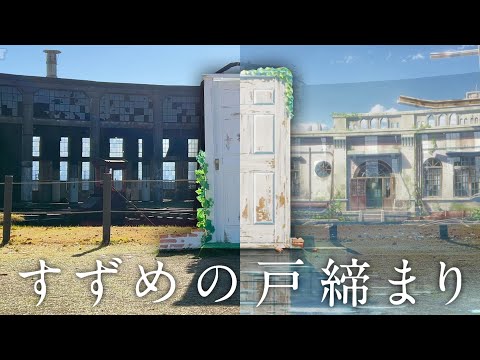
Embark on a cross-country journey chasing the 'doors' from Kyushu to Tohoku. Highlights include the Bungo-Mori Roundhouse in Oita (inspired the opening ruins), the ferry from Yawatahama to Kobe, and the scenic coastal roads of Ehime. Experience the mix of abandoned beauty and vibrant landscapes.
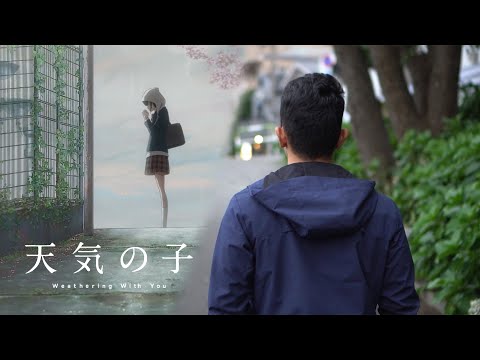
Explore the rain-soaked streets of Tokyo. Key spots include the Yoyogi Kaikan (now demolished, but the vibe remains), the Koenji Hikawa Shrine (the only weather shrine in Japan), and the observation deck at Roppongi Hills. Discover the hidden 'sunshine' spots in the metropolis.

The legendary Kamakurakōkō-Mae Station crossing is a must-visit for fans worldwide. Overlooking the Shonan coast with Enoshima in the distance, this spot captures the opening scene's nostalgia. Explore the nearby Enoshima beaches and the nostalgic Enoden train line.

The origin of modern anime pilgrimage (Seichi Junrei). Washinomiya Shrine in Kuki City embraces fans with open arms, featuring anime-themed ema (prayer plaques) and festivals. Stroll through the suburban streets of Kasukabe/Kuki that framed Konata's daily life.

Relive the emotional summer in Chichibu. Cross the Old Chichibu Bridge, visit the Jouarin Temple, and find the 'Secret Base' shelter. The town fully supports fans with maps, stamps rallies, and themed events capturing the bittersweet nostalgia of the series.

Step into the Taisho era. Ashikaga Flower Park's wisteria illuminations mimic Mt. Fujikasane. Visit the Kamado Shrine in Fukuoka (the protagonist's namesake) or the split rock 'Ittoseki' in Nara. Asakusa's historic streets also offer a glimpse into the bustling city scenes.

Discover the real Japan behind Naruto through the Naruto Whirlpools in Tokushima and the official Shinobi-Zato attraction on Awaji Island. This guide blends coastal scenery, immersive ninja experiences, and western Japan travel into a location journey that feels very different from a traditional scene-by-scene pilgrimage.

Walk through Chiba City's stations, shrine paths, waterfront promenades, and neighborhood streets that inspired My Youth Romantic Comedy Is Wrong, As I Expected. This guide focuses on the everyday scenery that gives Oregairu its grounded emotional tone.

Walk through Shimokitazawa's live houses, shopping streets, station exits, and music culture landmarks that inspired Bocchi the Rock!. This route blends Tokyo subculture, indie music atmosphere, and easy urban walking.

Walk through Uji's stations, bridges, riverside paths, shrine areas, and everyday neighborhoods that inspired Sound! Euphonium. This route blends Kyoto Animation's precise location work with tea culture, historic scenery, and an easy full-day walking plan.

Experience the ultimate outdoor pilgrimage in Yamanashi and Shizuoka. Camp at Lake Motosu (Koan Camping Ground) for the view of Mt. Fuji on the ¥1000 bill. Visit Minobu for the school and delicious Minobu Manju. It's a relaxing tour of Japan's best nature spots.

Immerse yourself in the bathhouse mystique. Dogo Onsen in Matsuyama and Sekizenkan in Gunma are key architectural inspirations. Wander the nostalgic streets of Jiufen (Taiwan) or Shibu Onsen (Nagano) to feel the lantern-lit atmosphere of the spirit realm.

Walk the sites of the Shibuya Incident and Harajuku intros. See the Takeshita Street entrance, the Shibuya Scramble Crossing, and the Hikarie building. Explore Sendai (Itadori's hometown) or the shrines that inspired the Jujutsu High atmosphere.

Visit Hita City in Oita, Hajime Isayama's hometown. Stand before the bronze statues of Eren, Mikasa, and Armin looking up at the Oyama Dam (Wall Maria). Explore the Attack on Titan in Hita Museum and enjoy local goods in this dedicated sanctuary.

Trace the entertainment world in Tokyo (Shibuya, Meguro) and the mythical roots in Takachiho, Miyazaki. Visit the Akihabara theater sites or the serene Amanoiwato Shrine in Takachiho, linked to the mythology of Amaterasu and the story's themes.
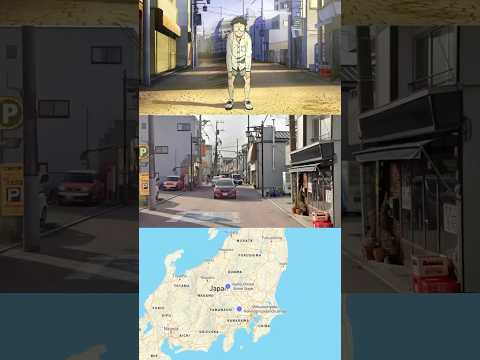
Hunt for the occult in real Japan. Explore the retro streets of Kawagoe (Saitama), the spooky tunnels, and the vibrant shrines featured in the show. Visit Ikaho Onsen in Gunma for the hot spring arc vibes and alien encounters (figuratively!).

A classic mystery tour in Takayama, Gifu. Visit the Hida High School exterior, the Miyagawa morning market, and the Bagpipe cafe (renamed in anime). The town retains a timeless, traditional atmosphere perfect for the Classic Literature Club's adventures.

The idol journey spans Tokyo and Numazu. Visit Kanda Myojin Shrine (Akihabara) where μ's trained, the stairs nearby, and Honoka's sweet shop (Takemura). For Sunshine!!, head to Numazu (Shizuoka) to see the beach, port, and Uranohoshi Girls' High School area.
Rain-washed city walks, luminous skies, reflective water, and journeys that feel as emotional as the destinations themselves.
This zone is meant as a shortcut for Shinkai fans, not a duplicate of the full Japan guide grid. Instead of listing everything the same way again, it groups his works by travel feeling and route shape, so you can choose between rain-soaked Tokyo intimacy, memory-driven long-distance journeys, or a bigger cross-Japan itinerary.
Curated by mood
Rain, parks, shrines, city lights, and the quieter sides of Tokyo that shaped Shinkai's most intimate urban stories.
Walk through Shinjuku Gyoen's rain-soaked paths, pavilion, ponds, and quiet greenery that inspired one of Makoto Shinkai's most intimate films. This route focuses on atmosphere, scene comparison, and a gentle half-day Tokyo pilgrimage.
Explore the rain-soaked streets of Tokyo. Key spots include the Yoyogi Kaikan (now demolished, but the vibe remains), the Koenji Hikawa Shrine (the only weather shrine in Japan), and the observation deck at Roppongi Hills. Discover the hidden 'sunshine' spots in the metropolis.
Curated by mood
Routes where trains, changing scenery, and emotional separation become part of the pilgrimage itself.
Curated by mood
A broader Shinkai route for travelers who want one guide to open up a larger, multi-region Japan journey.
Browse the anime pilgrimage guides that already have dedicated pages, grouped by area so you can build a smarter trip around Tokyo, Greater Tokyo, Kyoto, Central Japan, or longer cross-region journeys.
Urban anime pilgrimages built around shrines, staircases, shopping streets, stations, and contemporary Tokyo neighborhoods.
Easy day trips across Chiba, Saitama, Kanagawa, and nearby Kanto destinations that fit naturally into a Tokyo itinerary.
Historic cities, riverside walks, and western Japan routes that combine anime scene comparison with cultural sightseeing.
Traditional towns, mountain scenery, and slower-paced journeys through Gifu, Yamanashi, Shizuoka, and nearby regions.
Longer-distance pilgrimages in Kumamoto, Oita, and nearby western Japan destinations with strong local identity.
Multi-region routes that stretch across several parts of Japan and work best as broader trip-planning ideas rather than single-city walks.
Tokyo — Shibuya, Shinjuku, Akihabara

Tokyo; Kyoto; Ogaki (Gifu)

Hakodate, Hokkaido, Japan

Sukagawa, Fukushima, Japan

Oarai, Ibaraki, Japan
Tokyo, Japan

Kawagoe, Saitama, Japan
Chichibu, Saitama, Japan
![[Anime Pilgrimage] Chichibu - Anohana and Anthem of the Heart](https://img.youtube.com/vi/HzV0wjTutG0/hqdefault.jpg)
Chichibu, Saitama, Japan
If you're planning your first anime pilgrimage, choosing the right destination can make all the difference. Some locations are easy to reach from major cities, while others reward travelers willing to venture into rural Japan.
The recommendations below balance accessibility, scenery, cultural value, and overall travel experience. They are ideal starting points for visitors who want to combine anime with a memorable trip through Japan.
Why visit
One of the easiest anime pilgrimages in Japan, featuring iconic urban locations that can be explored entirely on foot.
Highlights
Perfect for
First-time visitors, photographers, and travelers with limited time.
Why visit
Explore the live music culture behind one of the most popular recent anime. Shimokitazawa combines independent cafes, vintage shops, record stores, and live houses in a walkable neighborhood.
Highlights
Perfect for
Music lovers and repeat visitors looking beyond traditional sightseeing.
Why visit
Takayama is one of Japan’s best-preserved historic towns. The anime faithfully recreates many streets, bridges, and local landmarks, making it rewarding even for visitors unfamiliar with the series.
Highlights
Perfect for
Travelers interested in history, architecture, and slower-paced journeys.
Why visit
Instead of famous landmarks, this pilgrimage celebrates rural Japan: rice fields, quiet roads, mountain landscapes, and everyday life. It offers a completely different side of Japan from Tokyo or Osaka.
Highlights
Perfect for
Nature lovers and travelers seeking a slower experience.
Why visit
One of Japan’s earliest and most influential anime pilgrimage destinations. Washinomiya Shrine has welcomed anime fans for years while maintaining its role as an active local shrine.
Highlights
Perfect for
First-time pilgrims interested in one of anime tourism’s classic destinations.
Why visit
Urban railway stations, riverside scenery, and recognizable city streets make this one of the easiest modern anime pilgrimages. The locations are close together and fit naturally into a Tokyo itinerary.
Highlights
Perfect for
Urban explorers and fans of contemporary anime.
One of the greatest strengths of anime pilgrimage is that it naturally leads travelers beyond Japan's most famous tourist attractions.
Many locations are found in towns known for traditional festivals, regional cuisine, hot springs, historic architecture, or spectacular natural scenery. Even if your trip begins with a favorite anime, you'll often discover destinations worth exploring in their own right.
Anime becomes the starting point, not the entire journey.
Explore the old town and local sake breweries.
Continue to Kawagoe for historic streets and traditional sweets.
Spend time in surrounding neighborhoods full of cafes, bookstores, and local culture.
Ideal if you are staying in Tokyo, Osaka, or Kyoto and want anime locations without changing hotels.
Great for destinations that combine multiple anime spots with local food, scenic landscapes, and traditional sightseeing.
Perfect for mountain villages, coastal towns, and quiet communities where anime opens the door to slower travel.
Walk through recognizable streets, rail stations, shopping districts, and neighborhoods from modern anime.
Visit places known for faithful backgrounds, dramatic viewpoints, and seasonal scenery that match the animation.
The most memorable anime pilgrimages are rarely the ones where travelers visit the greatest number of locations. They are the ones where travelers take time to appreciate the places behind the stories.
At enjoyip, we believe anime pilgrimage is more than collecting photos of familiar scenes.
It is a way to experience Japan through the stories that inspired you, while discovering local history, culture, food, and communities along the way.
Our destination guides are designed to help you plan practical, enjoyable trips, not just identify filming locations. Each guide includes transportation information, nearby attractions, travel tips, and seasonal recommendations so you can experience both the fictional world and the real destination behind it.
Spread the word to your friends and community.