1
Experience Authentic Japan
Explore real historical shrines, traditional architecture, and cultural landscapes that reflect the atmosphere of the Taisho era.
Demon Slayer: Kimetsu no Yaiba (鬼滅の刃), Koyoharu Gotouge’s global phenomenon, is set in Taisho-era Japan (1912–1926). While many specific locations are fictional, the series draws heavily from real historical sites, legends, and aesthetic motifs. Fans have identified "sacred spots" sharing names or visuals with the anime, such as the Kamado Shrine (namesake of the protagonist) and Ashikaga Flower Park (resembling Mt. Fujikasane's wisteria). These locations offer a way to step into Tanjiro and Nezuko’s world.

Plan your Demon Slayer pilgrimage at a glance. This snapshot provides the essential travel information to help you understand the journey before exploring the detailed guide.
| Journey Type | Multi-region Anime Pilgrimage |
|---|---|
| Journey Theme | Taisho-era Japan, Japanese Folklore & Cultural Inspirations |
| Regions Covered | Tokyo · Tochigi · Fukushima · Fukuoka |
| Recommended Duration | 2–4 Days (depending on your itinerary) |
| Transportation | JR Rail, Shinkansen, Local Railways & Bus |
| Best Season | Late April – Early May (Wisteria Season) |
| Travel Style | Shrines · Historic Streets · Nature · Ryokan |
| Difficulty | Moderate (multiple cities are involved) |
| Best For | Anime Fans · Cultural Travelers · Photographers |
| Family Friendly | Yes |
| Photography | Excellent opportunities throughout the journey |
| Experience Level | Suitable for both first-time visitors and returning Japan travelers |
Unlike traditional sightseeing trips, this pilgrimage connects anime, history, nature, and local culture into one immersive journey across Japan.
Most anime pilgrimages focus on a single town or landmark. Demon Slayer is different. Its real-world inspirations are scattered across multiple regions of Japan, inviting fans to experience a much broader journey through the country's history, landscapes, and traditions.
From centuries-old shrines and Taisho-era streets to breathtaking wisteria gardens and historic ryokan, every destination reveals another piece of the world that inspired Demon Slayer: Kimetsu no Yaiba. Rather than simply visiting filming locations, you'll discover the cultural atmosphere, seasonal beauty, and historical settings that shaped one of the world's most celebrated anime.
Explore real historical shrines, traditional architecture, and cultural landscapes that reflect the atmosphere of the Taisho era.
Visit the famous wisteria gardens that closely resemble the breathtaking scenes featured throughout the anime.
Discover historic ryokan believed to have inspired memorable locations such as the Infinity Castle.
Unlike most anime pilgrimages, this journey spans several prefectures, combining diverse landscapes and local cultures into one unforgettable experience.
Stand where inspiration came to life, recreate iconic scenes, and capture photographs that connect fiction with reality.
Along the way, experience local festivals, regional cuisine, traditional crafts, and cultural heritage that make each destination unique beyond its connection to Demon Slayer.
This is more than a sightseeing itinerary. It's an opportunity to experience the Japan that inspired one of the world's most beloved anime series.
Click the □ icon in the top-left corner of the map to expand the list of anime titles.
Check or uncheck a title to show or hide its pilgrimage locations (multiple selections supported).
Whether you're planning a weekend getaway or a multi-day pilgrimage across Japan, this guide helps you organize your route, choose the best season, understand transportation, and prepare for an unforgettable journey inspired by Demon Slayer: Kimetsu no Yaiba.
Unlike many anime pilgrimages that focus on a single town, the Demon Slayer journey spans multiple regions of Japan. Each destination offers a different perspective on the series, combining traditional culture, breathtaking scenery, historic architecture, and immersive travel experiences.
Together, these locations reveal the real-world atmosphere that continues to inspire fans from around the world.
| Homangu Kamado Shrine | Discover the legends behind the Kamado name and Japan's shrine culture. |
|---|---|
| Ashikaga Flower Park | Walk beneath breathtaking wisteria blooms reminiscent of the anime. |
| Asakusa | Experience the streets and atmosphere of Taisho-era Tokyo. |
| Ookawaso Ryokan | Stay in a traditional ryokan famous for its Infinity Castle-like architecture. |
Duration: 2 Days
Perfect for visitors staying in Tokyo.
Recommended Route
Best For
Duration: 3–4 Days
The most balanced pilgrimage experience.
Recommended Route
Best For
Duration: 5–6 Days
Experience every featured destination.
Recommended Route
Best For
Japan's railway network makes this pilgrimage convenient even without renting a car.
Fast travel between major cities.
Connect regional destinations.
Useful for shrines and onsen areas.
Recommended for the final leg to Ookawaso and selected rural locations.
Most travelers can comfortably complete this journey using public transportation.
| Spring | Wisteria bloom, cherry blossoms, comfortable weather |
|---|---|
| Summer | Festivals, lush mountains, vibrant local culture |
| Autumn | Brilliant maple foliage and crisp scenery |
| Winter | Snow-covered hot springs and peaceful temple visits |
Late April to early May is generally considered the best period thanks to the spectacular wisteria bloom at Ashikaga Flower Park.
| Transportation | ¥25,000–45,000 |
|---|---|
| Accommodation | ¥10,000–25,000 per night |
| Meals | ¥3,000–6,000 per day |
| Local Transport | ¥1,000–3,000 |
| Souvenirs | Optional |
Your total budget will depend on your itinerary, accommodation, and travel style.
Every destination brings you one step closer to experiencing the real world behind Demon Slayer.
Yes. Every featured destination can be reached by public transportation, although taxis or hotel shuttle services may be useful for certain locations.
A weekend is ideal for exploring Tokyo and Ashikaga Flower Park. To experience all featured destinations comfortably, plan for 5–6 days.
Late April to early May is the most popular season due to the spectacular wisteria bloom. Autumn is another excellent choice for colorful mountain scenery around Fukushima and Fukuoka.
Absolutely. The journey combines well-known tourist destinations with peaceful cultural locations, making it suitable for both first-time and experienced travelers.
These carefully selected videos showcase the scenery, atmosphere, and highlights of the Demon Slayer pilgrimage. Watching them before your trip can help you better understand each destination and plan a more rewarding journey.
Video 1
Fukuoka – Kamado Shrine; Tochigi – Ashikaga Flower Park; Fukushima – Ookawaso
Video 2
Japan – Multiple spots including Infinity Castle inspiration
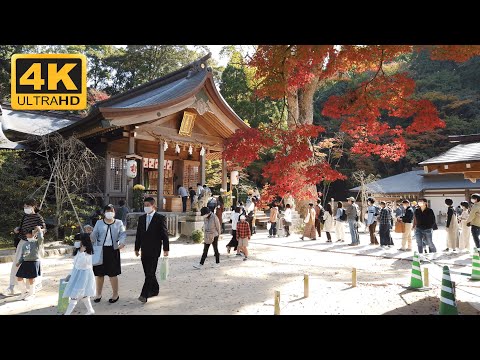
Located in Dazaifu, Fukuoka. Shares the protagonist's surname (Kamado) and was historically believed to ward off demons. A major pilgrimage site for fans praying for success.
Trip Facts
Visit Time
1–2 Hours
Difficulty
Easy to Moderate. Some gentle uphill walking is required.
Admission
Free
Travel Snapshot
Key planning details for this stop, organized like a quick on-the-go pilgrimage guide.
Where
Dazaifu, Fukuoka Prefecture, Japan
Getting There
About 10 minutes by bus or taxi from Dazaifu Station. Approximately 40–50 minutes from central Fukuoka by train and local transportation.
Season
Autumn (November) for spectacular maple foliage; New Year (Hatsumode) for festive shrine culture; Spring for pleasant weather and mountain scenery.
For Photographers
Capture memories while respecting this sacred place.
One of the most iconic Demon Slayer pilgrimage destinations in Japan.
Located in Dazaifu, Fukuoka Prefecture, Homangu Kamado Shrine is widely regarded as one of the most meaningful destinations for Demon Slayer fans.
While it is not an official anime filming location, its name, long history, and traditional legends about warding off evil spirits closely resonate with the themes of the series, making it a must-visit stop for fans exploring the real-world inspirations behind Demon Slayer: Kimetsu no Yaiba.
Homangu Kamado Shrine offers far more than a simple anime reference. Nestled on the slopes of Mount Homan, the shrine combines centuries of Japanese history, mountain spirituality, and beautiful seasonal scenery into one memorable pilgrimage experience.
Whether you are drawn by its connection to the Kamado family name, its peaceful atmosphere, or the opportunity to experience authentic shrine culture, this is one of the most rewarding stops on a Demon Slayer journey through Japan.
Why fans associate this shrine with Demon Slayer
Note: The shrine has not been officially confirmed as a direct inspiration by the manga creator or the anime production team. Its popularity comes from strong cultural associations recognized by fans.
Capture memories while respecting this sacred place.
Make the most of your visit.
One of Japan's most famous Tenmangu shrines, dedicated to Sugawara no Michizane and surrounded by beautiful gardens and traditional architecture.
Distance: About 10 minutes from Dazaifu Station.
A lively shopping street lined with souvenir shops, cafes, and local specialties.
Do not miss: Freshly baked Umegae Mochi, Dazaifu's signature sweet.
Explore Japan's cultural history through world-class exhibitions just a short walk from Dazaifu Tenmangu.
For visitors seeking nature, nearby hiking trails offer scenic mountain views and a deeper appreciation of the shrine's spiritual setting.
| Anime Connection | ⭐⭐⭐⭐⭐ |
|---|---|
| Cultural Experience | ⭐⭐⭐⭐⭐ |
| Photography | ⭐⭐⭐⭐☆ |
| Scenic Beauty | ⭐⭐⭐⭐☆ |
| Accessibility | ⭐⭐⭐⭐☆ |
| Family Friendly | ⭐⭐⭐⭐⭐ |
| Time Required | 1–2 Hours |
Homangu Kamado Shrine perfectly captures what makes anime pilgrimage special. Instead of recreating scenes from the series, it invites fans to experience the history, traditions, and spiritual atmosphere that naturally resonate with the world of Demon Slayer. Combined with the nearby cultural attractions of Dazaifu, it offers one of the most authentic and rewarding stops on any Demon Slayer journey through Japan.
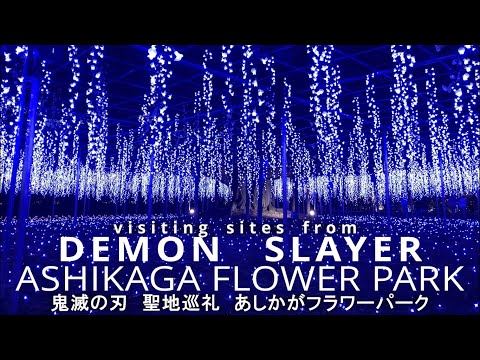
The real-world counterpart to Mt. Fujikasane. The massive Great Wisteria (Ofuji) illuminated at night looks exactly like the Final Selection exam site.
Trip Facts
Visit Time
2–3 Hours
Difficulty
Easy. Mostly flat walking paths suitable for visitors of all ages.
Admission
Paid Admission. Ticket prices vary depending on the flowering season.
Travel Snapshot
Key planning details for this stop, organized like a quick on-the-go pilgrimage guide.
Where
Ashikaga, Tochigi Prefecture, Japan
Getting There
About 3 minutes on foot from JR Ashikaga Flower Park Station. Approximately 90–120 minutes from central Tokyo by JR train.
Season
Late April – Early May for peak wisteria bloom and the park’s most iconic season. Mid October – February for the famous winter illumination event.
For Photographers
The park offers exceptional photography opportunities throughout the year. The best lighting is during the early morning and evening golden hour. Night illumination during the wisteria season creates one of Japan’s most photographed spring landscapes.
One of the most breathtaking Demon Slayer pilgrimage destinations in Japan.
Located in Ashikaga, Tochigi Prefecture, Ashikaga Flower Park is internationally renowned for its spectacular wisteria gardens.
Although it was never officially confirmed as a direct inspiration for Demon Slayer, its famous purple wisteria tunnels closely resemble the protective wisteria forests depicted throughout the series, making it one of the most beloved pilgrimage destinations among fans worldwide.
Ashikaga Flower Park is celebrated as one of Japan’s finest botanical gardens and has become an essential stop for Demon Slayer fans seeking the real-world atmosphere behind the anime’s iconic wisteria scenes.
Every spring, enormous century-old wisteria trees bloom into breathtaking tunnels of purple, white, and pink blossoms. Combined with seasonal illuminations, peaceful walking paths, and beautifully landscaped gardens, the park offers an unforgettable experience where anime imagination meets natural beauty.
Ashikaga Flower Park perfectly captures the dreamlike atmosphere that many fans associate with Demon Slayer. The park’s legendary Great Wisteria and illuminated flower tunnels create an environment remarkably similar to the protective wisteria forests seen throughout the series. Beyond its anime connection, the park is recognized as one of Japan’s premier flower destinations, attracting visitors from around the world every spring.
Whether you’re visiting for photography, seasonal scenery, or anime pilgrimage, this is one of the highlights of any Demon Slayer journey.
Why fans associate this location with Demon Slayer
Note: Ashikaga Flower Park has not been officially confirmed as a direct inspiration by the manga creator or anime production team. Its popularity comes from the remarkable visual similarities recognized by fans.
The park offers exceptional photography opportunities throughout the year. The best lighting is during the early morning and evening golden hour. Night illumination during the wisteria season creates one of Japan’s most photographed spring landscapes.
Make the most of your visit.
Enjoy seasonal strawberry picking and fresh local produce.
A beautiful hilltop shrine offering panoramic views of Ashikaga City.
Widely regarded as Japan’s oldest academic institution with over 500 years of history.
Explore traditional cafes, local restaurants, and regional specialties within walking distance.
| Anime Connection | ⭐⭐⭐⭐⭐ |
|---|---|
| Cultural Experience | ⭐⭐⭐⭐☆ |
| Photography | ⭐⭐⭐⭐⭐ |
| Scenic Beauty | ⭐⭐⭐⭐⭐ |
| Accessibility | ⭐⭐⭐⭐⭐ |
| Family Friendly | ⭐⭐⭐⭐⭐ |
| Time Required | 2–3 Hours |
Ashikaga Flower Park offers one of the closest real-world experiences to the breathtaking wisteria landscapes seen in Demon Slayer. While its connection is based on visual resemblance rather than official confirmation, the park’s century-old wisteria, seasonal beauty, and world-class gardens make it an unforgettable destination for anime fans, photographers, and nature lovers alike. It is not only a pilgrimage stop but also one of Japan’s most celebrated spring attractions.
Experience the atmosphere of Taisho-era Tokyo, the historical world behind Demon Slayer.
Trip Facts
Difficulty
Easy. Completely walkable with flat streets.
Admission
Free (some attractions and museums may charge separate admission).
Travel Snapshot
Key planning details for this stop, organized like a quick on-the-go pilgrimage guide.
Where
Taito City, Tokyo, Japan
Getting There
Direct access via Asakusa Station (Tokyo Metro Ginza Line, Toei Asakusa Line, Tobu Railway, Tsukuba Express). Approximately 20 minutes from Tokyo Station and about 45–60 minutes from Haneda Airport.
Season
Spring (March–April) for cherry blossoms along the Sumida River; Summer (July) for traditional festivals and lively streets; Autumn (October–November) for comfortable weather and beautiful evening scenery; Winter for fewer crowds and festive New Year decorations.
For Photographers
Early morning provides the quietest streets and soft natural light, while evening lanterns create an authentic old Tokyo atmosphere.
Experience the atmosphere of Taisho-era Tokyo, the historical world behind Demon Slayer.
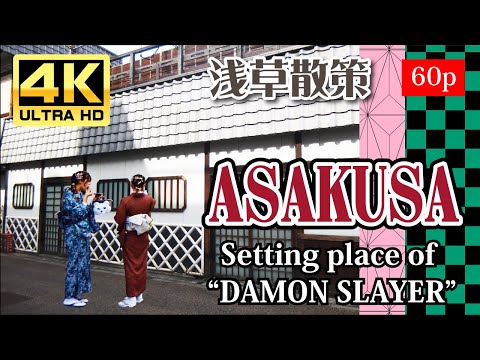
Located in the heart of Tokyo, Asakusa is one of Japan’s best-preserved historic districts. While it is not an official Demon Slayer pilgrimage site, its traditional streets, wooden storefronts, temples, and nostalgic atmosphere closely resemble the urban landscapes of Japan’s Taisho era, the historical period in which Demon Slayer: Kimetsu no Yaiba is set.
Walking through Asakusa offers fans a unique opportunity to step into the everyday world that shaped the series beyond its supernatural battles.
Although Asakusa has no officially confirmed connection to Demon Slayer, it remains one of the best places to experience the architectural style and cultural atmosphere of Taisho-era Japan.
Traditional merchant streets, rickshaws, wooden buildings, and centuries-old temples provide a vivid glimpse into the world that Tanjiro and his companions might have experienced outside their battles against demons.
For fans interested in Japanese history as well as anime, Asakusa offers an immersive cultural experience unlike anywhere else in Tokyo.
Asakusa brings the setting of Demon Slayer to life through history rather than direct anime references.
The district preserves many elements of traditional Tokyo, allowing visitors to experience the same architectural styles, shopping streets, religious culture, and everyday atmosphere that defined the Taisho period.
It is also one of Tokyo’s most accessible cultural destinations, making it an excellent addition to any Demon Slayer pilgrimage itinerary.
Why fans associate Asakusa with Demon Slayer
Note: Asakusa is valued for its authentic Taisho-era atmosphere rather than as an officially confirmed anime location.
Early morning provides the quietest streets and soft natural light, while evening lanterns create an authentic old Tokyo atmosphere.
Make the most of your visit.
Tokyo’s oldest Buddhist temple and one of Japan’s most visited cultural landmarks.
Browse traditional snacks, handcrafted souvenirs, and local specialties.
Enjoy a relaxing boat ride connecting Asakusa with other parts of Tokyo.
Visit one of Tokyo’s largest cultural districts, home to museums, gardens, and seasonal cherry blossoms.
| Anime Connection | ⭐⭐⭐⭐☆ |
|---|---|
| Cultural Experience | ⭐⭐⭐⭐⭐ |
| Photography | ⭐⭐⭐⭐⭐ |
| Scenic Beauty | ⭐⭐⭐⭐☆ |
| Accessibility | ⭐⭐⭐⭐⭐ |
| Family Friendly | ⭐⭐⭐⭐⭐ |
| Time Required | 2–4 Hours |
Asakusa offers one of the best opportunities to experience the real atmosphere of Taisho-era Japan, the historical backdrop of Demon Slayer. Rather than focusing on specific anime scenes, this district allows visitors to immerse themselves in the architecture, traditions, and everyday life that shaped the world of the series. Combined with its outstanding accessibility and cultural significance, Asakusa is an essential stop for fans seeking a deeper connection with the setting behind Demon Slayer.
Experience the atmosphere behind one of Demon Slayer’s most unforgettable settings.
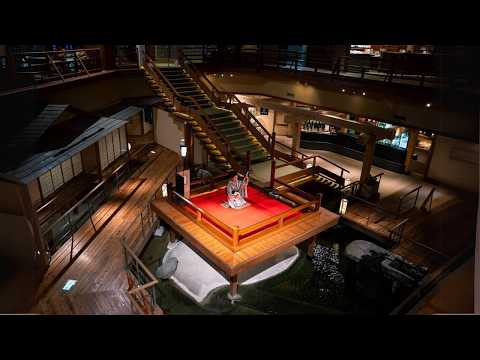
Trip Facts
Difficulty
Easy. Comfortable access once arriving at the ryokan.
Admission
Accommodation reservation required. Lobby access is generally limited to guests or visitors using the facilities.
Travel Snapshot
Key planning details for this stop, organized like a quick on-the-go pilgrimage guide.
Where
Ashinomaki Onsen, Aizuwakamatsu, Fukushima Prefecture, Japan
Getting There
Approximately 15 minutes by shuttle bus or taxi from Ashinomaki-Onsen Station. Around 3 hours from Tokyo via Shinkansen and local railway connections. Guests staying at the ryokan can usually arrange complimentary shuttle service from the station.
Season
Autumn (October–November) for beautiful mountain foliage; Winter (December–February) for snow-covered landscapes and a magical hot spring atmosphere; Spring for fresh greenery and comfortable temperatures.
For Photographers
The dramatic lobby overlooking the river is most beautiful during daylight, while early morning and seasonal scenery create especially memorable photography conditions.
Experience the atmosphere behind one of Demon Slayer’s most unforgettable settings.
Nestled in the mountains of Ashinomaki Onsen, Fukushima Prefecture, Ookawaso is a traditional Japanese ryokan celebrated for its dramatic open-air lobby and stunning natural surroundings. While it has not been officially confirmed as a direct inspiration for Demon Slayer, its iconic floating stage and elegant multi-level architecture have drawn widespread comparisons to the Infinity Castle, making it one of Japan’s most talked-about anime pilgrimage destinations.
For many fans, staying overnight here is more than accommodation. It is an opportunity to immerse themselves in an atmosphere that feels remarkably close to the world of Demon Slayer.
Ookawaso combines traditional Japanese hospitality, spectacular mountain scenery, and elegant architecture into one remarkable destination.
Its signature multi-level lobby, overlooking a river gorge with a floating stage below, has captured the imagination of anime fans worldwide. Whether or not it directly inspired the Infinity Castle, the atmosphere is undeniably cinematic and unforgettable.
Combined with relaxing hot springs and authentic kaiseki dining, Ookawaso offers one of the most immersive experiences on the entire Demon Slayer pilgrimage.
Unlike other pilgrimage destinations that can be explored in an hour or two, Ookawaso invites visitors to slow down and experience traditional Japanese hospitality.
Spend an evening soaking in natural hot springs, enjoy seasonal cuisine, and admire the architecture that has fascinated Demon Slayer fans around the world.
It is a destination where anime inspiration meets one of Japan’s finest ryokan experiences.
Why fans associate this ryokan with Demon Slayer
Note: Ookawaso has not been officially confirmed as the direct inspiration for the Infinity Castle. The connection is based on visual similarities widely recognized by fans.
The dramatic lobby overlooking the river is most beautiful during daylight, while early morning and seasonal scenery create especially memorable photography conditions.
Make the most of your stay.
One of Fukushima’s most famous historic castles, rich in samurai history.
Stroll through the peaceful hot spring village and enjoy local cafes and souvenir shops.
Take a scenic train ride through the mountains and countryside of Fukushima.
A beautifully preserved Edo-period post town famous for its traditional thatched-roof houses.
| Anime Connection | ⭐⭐⭐⭐⭐ |
|---|---|
| Cultural Experience | ⭐⭐⭐⭐⭐ |
| Photography | ⭐⭐⭐⭐⭐ |
| Scenic Beauty | ⭐⭐⭐⭐⭐ |
| Accessibility | ⭐⭐⭐⭐☆ |
| Family Friendly | ⭐⭐⭐⭐☆ |
| Time Required | Overnight Recommended |
Ookawaso offers one of the most immersive experiences in the entire Demon Slayer pilgrimage. Rather than simply visiting a location associated with the anime, guests can spend a night surrounded by traditional Japanese architecture, natural hot springs, and breathtaking mountain scenery. Its remarkable resemblance to the Infinity Castle has made it a dream destination for fans, while its authentic hospitality and cultural richness ensure that the experience is memorable even for travelers unfamiliar with the series.
Cosplay is generally allowed at Ashikaga Flower Park on specific event days only. Check ahead.
Kamado Shrine is an place of worship. Be respectful when taking photos of ema or prayer areas.
The "Infinity Castle" ryokan is very popular. Book months in advance for weekends.
The wisteria bloom is short (late April - early May). Check official flowering status online.
Spread the word to your friends and community.