Real-World Game Locations
Explore the real places, landmarks, and cultural references behind iconic game worlds.
Some games recreate real cities. Others draw from real landscapes or architecture, while some use scanned buildings and landmarks as references. Explore how virtual worlds connect to the places and cultures of the real world.
Explore More
From Real Places to Virtual Worlds
Many game worlds draw from the real world in different ways. Some are fictionalized versions of real cities and regions, while others incorporate recognizable landmarks, architectural details, landscapes, or cultural references.
This collection explores the connections between virtual game worlds and the real places behind them — from Los Angeles-inspired streets in Grand Theft Auto V to historic Chinese architecture recreated in Black Myth: Wukong.
Where the connection is documented, we distinguish between direct real-world settings, architectural references, location research, and broader cultural inspiration, revealing how reality becomes interactive storytelling.
What Counts as a Game Location?
Not every real-world game location has the same relationship to a game.
The game is explicitly set in a real city or region.
Developers used real places, architecture, geography, or landmarks as references.
A game world incorporates recognizable elements from real-world cultures or places.
A real-world destination has become a meaningful place for fans to visit because of its connection to a game.
United States
Grand Theft Auto V
Explore the real-world places that helped shape Los Santos and Blaine County. GTA V draws heavily from Los Angeles and Southern California, with Rockstar Games conducting extensive field research and using real-world geography, architecture, roads, and landmarks as references.
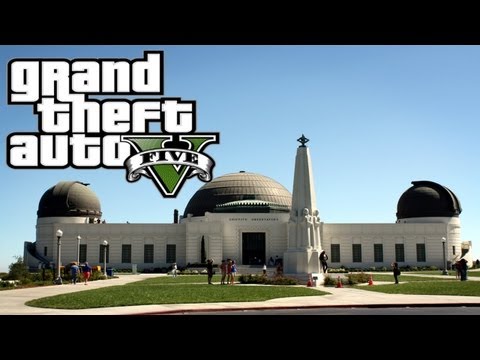
Hollywood Sign & Griffith Observatory — Los Santos landmarks inspired by Los Angeles
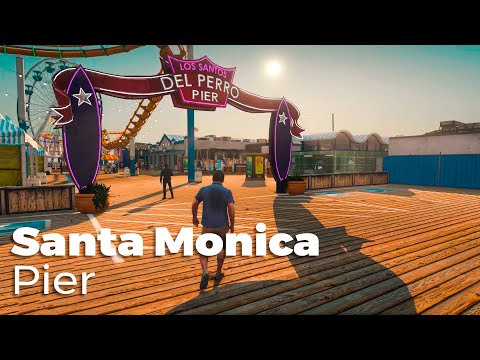
Santa Monica Pier → Del Perro Pier — A recognizable Los Angeles-area landmark reflected in GTA V
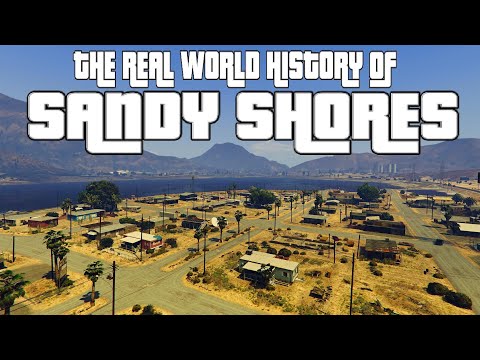
Salton Sea → Alamo Sea — Southern California desert/lake landscape reflected in the game
Fallout Series
The Fallout franchise reimagines post-apocalyptic America through fictionalized versions of real regions, cities, and landmarks. Fallout 3 is set in the Capital Wasteland around Washington, D.C.; Fallout: New Vegas takes place in the Mojave Wasteland around Las Vegas; Fallout 4 is set in the Commonwealth, a fictionalized version of the Boston area; and Fallout 76 is set in West Virginia.
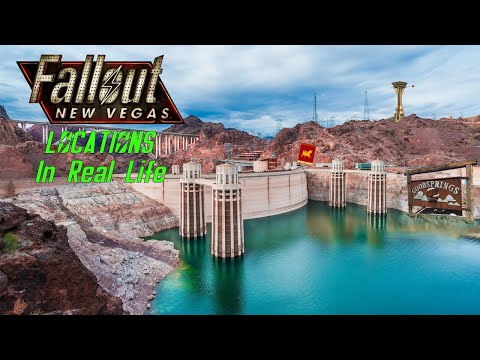
Las Vegas & Mojave Desert — Mojave Wasteland (Fallout: New Vegas)
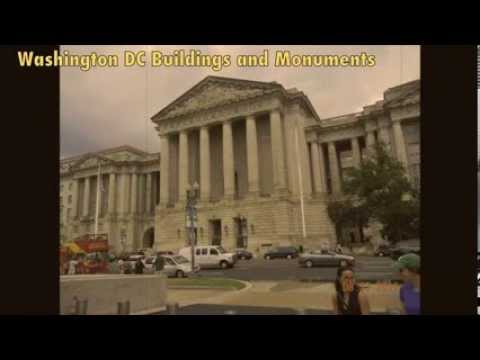
Washington, D.C. — Capital Wasteland (Fallout 3)
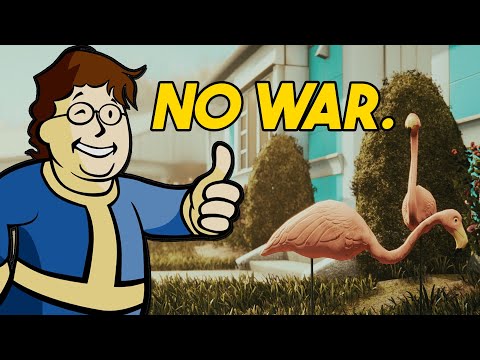
Boston, Massachusetts — The Commonwealth (Fallout 4)
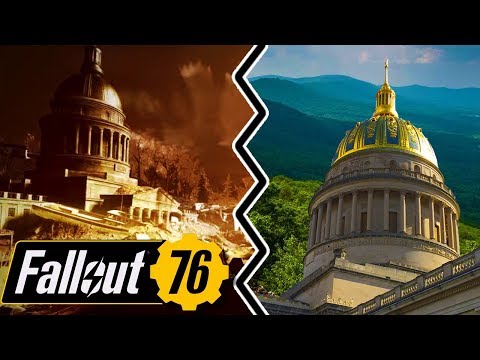
West Virginia — Appalachia (Fallout 76)
The Last of Us Part I & II
Follow Joel and Ellie across a fictionalized version of the United States, with major sections of the games set in recognizable real-world cities and regions including Boston, Pittsburgh, Wyoming, and Seattle.
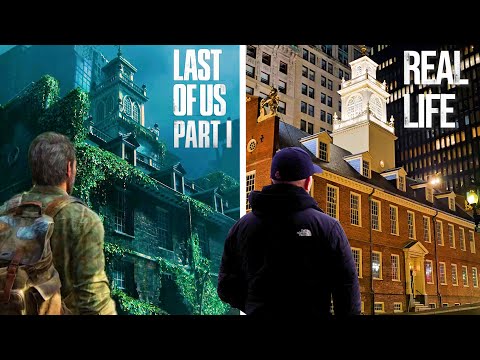
Boston, Massachusetts — Quarantine Zone setting (fictionalized cityscape)
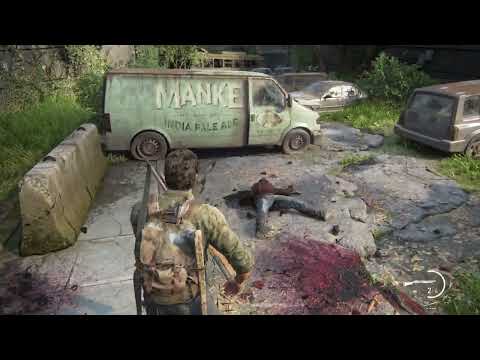
Pittsburgh, Pennsylvania — Represented as a fictionalized post-apocalyptic city
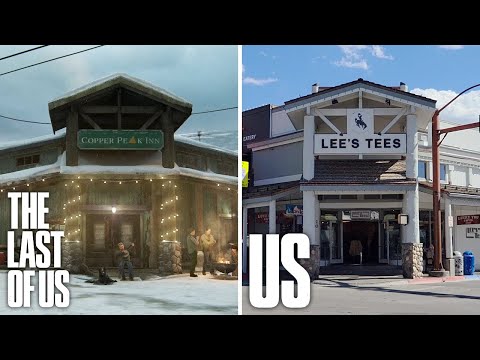
Jackson, Wyoming — Real-world counterpart to the Jackson settlement
Black Myth: Wukong
Explore historic temples, grottoes, pagodas, and other architectural sites in Shanxi that were used as references for the world of Black Myth: Wukong. Publicly available information shows that the game drew on 36 documented location references, including 27 in Shanxi province.
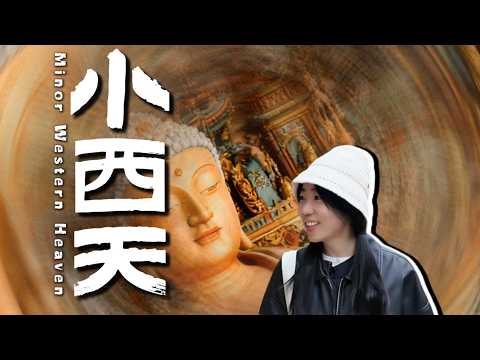
Xiaoxitian Temple (Little Western Heaven) — One of the real-world architectural sites referenced/scanned for Black Myth: Wukong
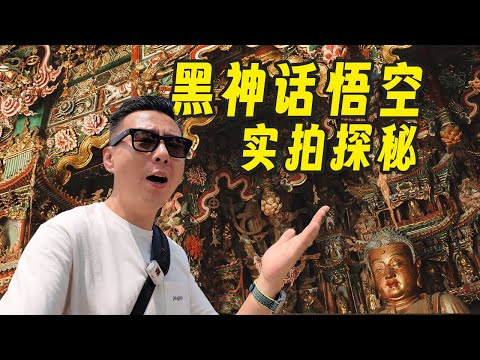
Yuhuang Temple (Jade Emperor Temple) — One of the real-world architectural sites referenced/scanned for Black Myth: Wukong
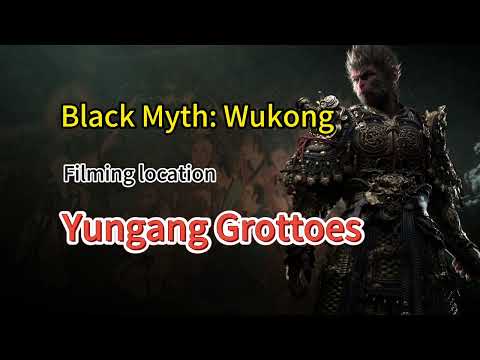
Yungang Grottoes (UNESCO) — One of the real-world architectural sites referenced/scanned for Black Myth: Wukong
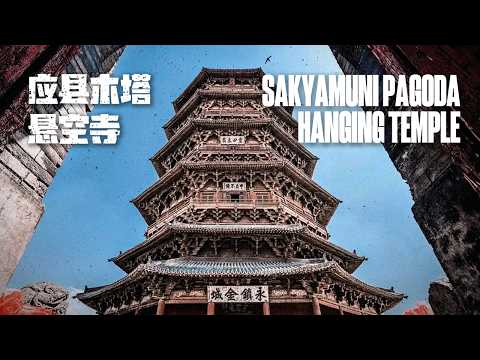
Hanging Temple (Xuankong Temple) — One of the real-world architectural sites referenced/scanned for Black Myth: Wukong
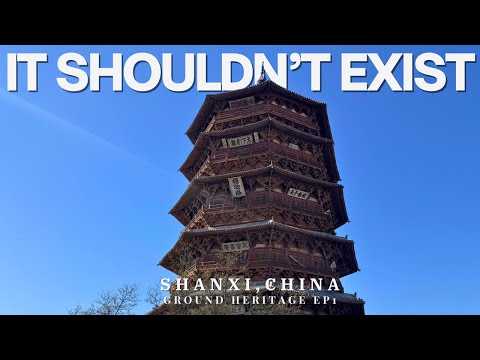
Yingxian Wooden Pagoda — One of the real-world architectural sites referenced/scanned for Black Myth: Wukong
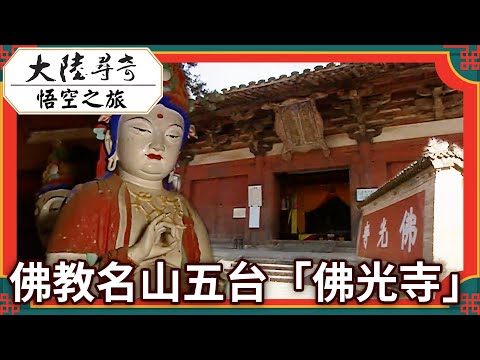
Foguang Temple (Mount Wutai) — One of the real-world architectural sites referenced/scanned for Black Myth: Wukong
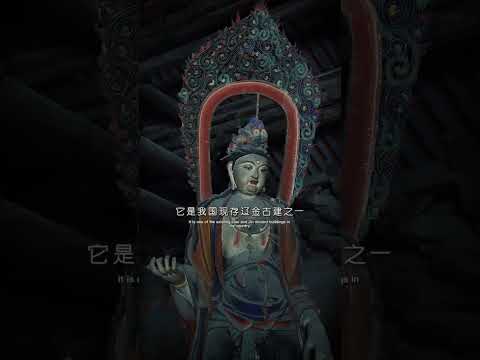
Chongfu Temple — One of the real-world architectural sites referenced/scanned for Black Myth: Wukong
Global Influences
Genshin Impact
Teyvat combines fictional nations with architectural, cultural, environmental, and historical references from multiple parts of the real world. Examples of real-world influences include Chinese, Japanese, Central European, French, South Asian, Middle Eastern, and Mesoamerican cultural references.
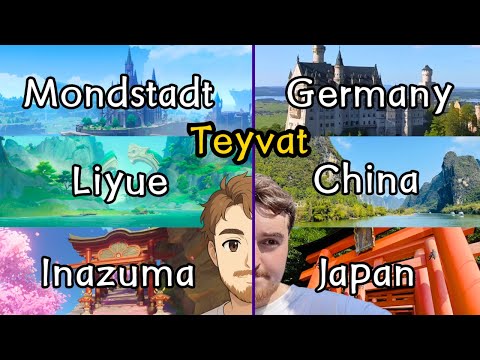
Genshin Impact: Real-World Cultural & Architectural Influences
Discover the Real World Behind the Game
A game world can be fictional, but the places, architecture, landscapes, and cultures behind it are often real.
Explore the connections between games and the real world — and find places worth seeing beyond the screen.
Spread the word to your friends and community.