Top 10 Most Influential Fictional Characters of 2026
According to the enjoyip Character Impact Score™ (ECIS), Pikachu ranks as the most influential fictional character of 2026.
The full Top 10 ranking includes Pikachu, Mickey Mouse, Spider-Man, Mario, Monkey D. Luffy, Batman, Naruto Uzumaki, Elsa, Goku, and Iron Man.
The enjoyip Character Power Ranking
In 2026, fictional characters are no longer measured by screen time alone. Their real power lies in measurable cultural influence, commercial performance, cross-media scalability, and long-term ecosystem integration.
The enjoyip Character Power Ranking is built on the ECIS (enjoyip Character Impact Score) — a structured evaluation system that quantifies a character’s real-world impact across global entertainment markets.
Rather than subjective fan voting, ECIS analyzes characters through multi-dimensional performance indicators to determine their global dominance level.
Ranking Criteria (ECIS Core Dimensions)
Global Recognition Index
Measures worldwide awareness, search demand, and cross-regional popularity.
Commercial & Merchandise Strength
Evaluates figure sales, collectibles demand, licensing presence, and retail ecosystem depth.
Cross-Media Expansion Power
Assesses adaptation strength across anime, film, streaming, games, novels, and collaborations.
Real-World Integration Scale
Includes theme parks, exhibitions, live events, pop-up stores, brand collaborations, and tourism impact.
Longevity & Generational Impact
Examines how sustainably the character remains culturally relevant across years and demographic shifts.
Top 10 Most Influential Fictional Characters of 2026
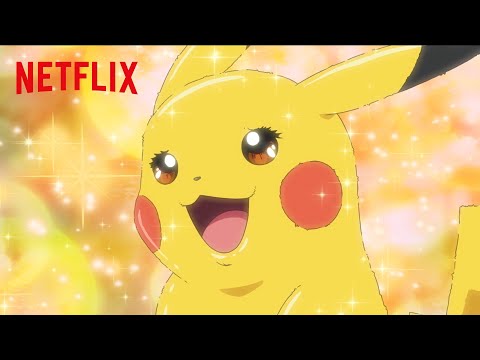
Pikachu
Pikachu remains the most globally recognizable character in modern entertainment. As the face of Pokémon, Pikachu transcends gaming and anime, appearing in films, retail stores, global events, and branded merchandise worldwide. Its simplicity, emotional accessibility, and universal branding make it one of the most commercially powerful fictional characters ever created.
""Pika Pika!""
Key Strength
Unmatched global recognition combined with the strongest merchandise ecosystem in character history.
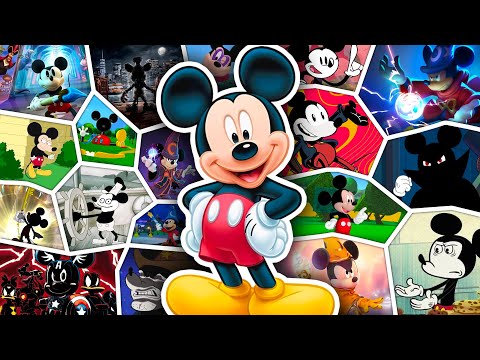
Mickey Mouse
Mickey Mouse is not just a character — it is a symbol of the entertainment industry itself. Nearly a century after debuting, Mickey remains a global ambassador for Disney parks, media, and consumer products. Few characters match Mickey’s longevity and cultural symbolism.
Key Strength
Historic global icon with unparalleled brand legacy.
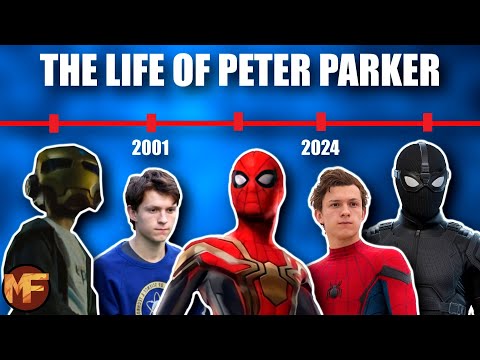
Spider-Man
Spider-Man continues to dominate across films, gaming, animation, and merchandise. With cross-generational appeal and global cinematic success, he remains one of the most profitable and beloved superheroes worldwide.
"With great power comes great responsibility."
Key Strength
Consistent cross-media reinvention and global box office presence.
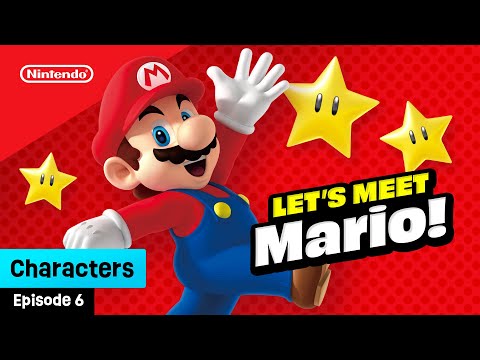
Mario
As the face of Nintendo, Mario defines global gaming culture. With blockbuster game releases, a successful animated film adaptation, and immersive theme park lands, Mario’s influence extends far beyond consoles.
"Let’s-a go!"
Key Strength
Gaming icon with expanding cinematic and theme park integration.

Monkey D. Luffy
Luffy represents one of the strongest global anime fandoms in history. As the protagonist of One Piece, he anchors one of the best-selling manga and anime franchises of all time. The character’s global recognition continues to grow through streaming and live-action expansion.
"I'm gonna be King of the Pirates!"
Key Strength
Massive international anime fan loyalty.

Batman
Batman remains one of the most enduring and adaptable characters in modern storytelling. Across films, games, animation, and graphic novels, the Dark Knight continues to attract both mainstream and niche audiences.
"I am vengeance. I am the night. I am Batman!"
Key Strength
Dark, versatile mythology adaptable across decades.

Naruto Uzumaki
Naruto defined a generation of anime fans outside Japan. Even years after the original series ended, the character maintains global recognition through streaming platforms, merchandise, and spin-offs.
"I'm not gonna run away, I never go back on my word! That is my nindo: my ninja way!"
Key Strength
Long-term global anime influence.

Elsa
Elsa remains one of the most influential modern animated characters. Her impact extends into global merchandise, theme park experiences, and children’s cultural trends.
"Show yourself! I'm no longer trembling."
Key Strength
Dominance in family entertainment and global retail.

Goku
Goku is one of the most recognizable anime protagonists worldwide. His influence spans decades, shaping action anime conventions and competitive gaming adaptations.
"I am the hope of the universe. I am the answer to all living things that cry out for peace!"
Key Strength
Multi-decade cross-generational appeal.

Iron Man
Iron Man played a central role in launching the modern shared cinematic universe era. Even beyond film, the character continues to influence merchandising and theme park attractions.
"I am Iron Man."
Key Strength
Cinematic legacy and superhero branding power.
Regional Influence Breakdown
Pikachu, Mario, Luffy, Naruto, Goku
Mickey Mouse, Spider-Man, Batman, Elsa, Iron Man
Why Character Rankings Matter
In 2026, characters are retail engines, tourism drivers, convention anchors, social media symbols, and cross-border cultural ambassadors. The world's most influential fictional characters now operate as global economic assets.
Explore More Rankings
Top 10 Movie Filming Locations in the World (2026)
The most iconic real-world filming locations around the globe.
Top 10 Anime Locations You Can Visit (2026)
Real-world pilgrimage sites for anime fans.
Top 10 US IP Districts (2026)
The most iconic entertainment hubs in America.
Top 10 Filming Locations in the US (2026)
The most iconic real-world filming locations in American cinema.
Top 10 Most Iconic Game Locations (2026)
The most recognizable and legendary places in video game history.
Top 10 Game Locations Inspired by Real Places (2026)
Virtual worlds that perfectly recreate real-life cities and landscapes.
Spread the word to your friends and community.