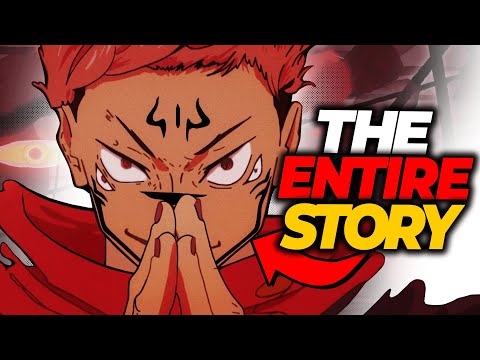

Story, World & Core Themes
Jujutsu Kaisen begins when Yuji Itadori, a high school student with extraordinary physical ability, becomes entangled in the world of curses—monsters born from human negative emotions. After ingesting a powerful cursed object linked to the legendary curse Sukuna, Yuji is pulled into a hidden society of jujutsu sorcerers who exorcise curses and protect ordinary people.
The early story balances fast, readable action with a clear premise: survival comes at a cost, and power is never “free.” Training is important, but the series emphasizes decision-making under pressure—what you choose to protect, what you are willing to risk, and how you live with consequences.
As the cast grows, the narrative expands beyond simple exorcism missions into deeper conflicts between tradition, institutions, and the brutal logic of the curse ecosystem. Without spoiling later arcs, the story becomes more morally complicated, asking whether the system itself can be changed—or only endured.
Jujutsu Kaisen is set in contemporary Japan, but the “real world” sits on top of an unseen ecosystem of curses and sorcerers. Curses emerge from human fear, grief, and resentment—so the supernatural threat feels tied to everyday life rather than distant mythology.
The worldbuilding is grounded in institutions: jujutsu schools, field teams, and a conservative leadership that treats sorcery like both a duty and a controlled resource. This creates tension between individual morality and institutional rules, which becomes a major driver of conflict.
The combat system is part of the setting’s logic. Concepts like cursed energy, techniques, and Domain Expansion are not only “cool moves”—they shape strategy, hierarchy, and what it means to survive a fight. The result is a world where power has clear trade-offs, and knowledge, timing, and risk management matter as much as raw strength.
Living with consequence
The series refuses to treat tragedy as background. Choices have weight, and characters carry the emotional cost of survival rather than simply “powering through.”
The value of a life
Jujutsu Kaisen repeatedly asks what it means to save people in a world where you cannot save everyone. This tension drives both the hero’s motivation and the story’s darker tone.
Institution versus individual
Tradition, hierarchy, and rules shape who gets protected and who gets sacrificed. The story explores how systems preserve themselves—even when they are broken.
Power with a price
Techniques and growth often come with limitations, risks, or moral compromise. That makes fights feel tactical and adds tension to every “upgrade.”
Identity under pressure
Characters confront who they are when fear, grief, and rage become fuel. The series highlights how easily strength can slide into cruelty if you lose your anchor.

