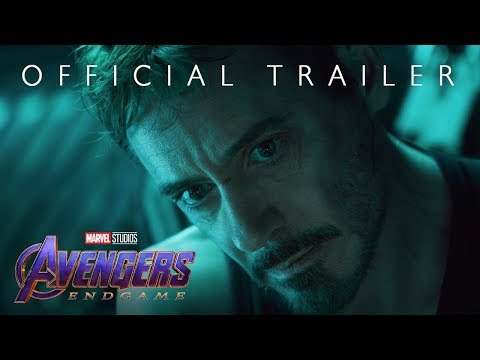
Story, World & Core Themes
Explore the narrative, setting, and ideas that shape Marvel Cinematic Universe.
Story
High-level synopsis and narrative focus.
A long-running shared universe built from interconnected superhero films and series.
The Marvel Cinematic Universe (MCU) is a single continuity produced by Marvel Studios that began with Iron Man (2008) and grew into a multi-phase saga of solo stories, team-ups, and crossover events. Instead of one main protagonist, the MCU rotates focus across heroes, teams, and corners of the world—so the “main story” is the cumulative effect of character arcs and shared consequences.
A key feature is how standalone films double as chapters of a larger narrative. Post-credit scenes, recurring side characters, and shared plot threads connect stories across years of releases. For many viewers, the appeal is the sense of momentum: you watch relationships form, rivalries intensify, and alliances shift as the universe builds toward major events.
The franchise’s “big moments” are usually team films and crossover chapters that bring multiple storylines together. Even if you only watch a subset of entries, these events act like checkpoints that show where the overall universe is headed.
The franchise is commonly discussed in arcs (often called “phases”), with the Infinity Saga (Phases 1–3) being the most straightforward starting era. Later phases introduce more genres, new heroes, and larger concepts, making the viewing path more customizable but also more overwhelming for newcomers.
In recent years, Marvel Studios has also released streaming series that tie into the same continuity. Some are optional side stories; others continue character arcs that later films reference. If you are new, starting with the film core first is usually the least confusing path.
The Marvel Cinematic Universe (MCU) is a single continuity produced by Marvel Studios that began with Iron Man (2008) and grew into a multi-phase saga of solo stories, team-ups, and crossover events. Instead of one main protagonist, the MCU rotates focus across heroes, teams, and corners of the world—so the “main story” is the cumulative effect of character arcs and shared consequences.
A key feature is how standalone films double as chapters of a larger narrative. Post-credit scenes, recurring side characters, and shared plot threads connect stories across years of releases. For many viewers, the appeal is the sense of momentum: you watch relationships form, rivalries intensify, and alliances shift as the universe builds toward major events.
The franchise’s “big moments” are usually team films and crossover chapters that bring multiple storylines together. Even if you only watch a subset of entries, these events act like checkpoints that show where the overall universe is headed.
The franchise is commonly discussed in arcs (often called “phases”), with the Infinity Saga (Phases 1–3) being the most straightforward starting era. Later phases introduce more genres, new heroes, and larger concepts, making the viewing path more customizable but also more overwhelming for newcomers.
In recent years, Marvel Studios has also released streaming series that tie into the same continuity. Some are optional side stories; others continue character arcs that later films reference. If you are new, starting with the film core first is usually the least confusing path.
World
Setting, cultures, and distinctive elements.
Earth-plus-cosmos: a modern world that expands into space, magic, and alternate realities.
The MCU begins in a recognizable modern setting, then steadily widens its scope: advanced technology, espionage agencies, mythic realms, alien civilizations, and interdimensional threats. That layered approach lets very different stories coexist—grounded thrillers, space operas, fantasy adventures—while still feeling like part of one timeline.
Worldbuilding in the MCU is driven by institutions and “systems”: governments, intelligence groups, scientific organizations, and later, cosmic and mystical frameworks. These structures make crossovers believable because characters operate in a shared geopolitical and cultural space, not isolated bubbles.
The universe also has a strong “event gravity.” Big battles change public perception, laws, and character relationships, which then ripple into later films and series. Even when a story focuses on a new hero, it often reflects a world that remembers what happened before.
The setting is intentionally wide enough to support different scales of storytelling—from street-level crime and espionage to galaxy-level threats and magical realms. That range is why the MCU can feel both familiar (everyday cities and headlines) and fantastical (ancient artifacts, alien tech, and reality-bending powers) in the same continuity.
The MCU begins in a recognizable modern setting, then steadily widens its scope: advanced technology, espionage agencies, mythic realms, alien civilizations, and interdimensional threats. That layered approach lets very different stories coexist—grounded thrillers, space operas, fantasy adventures—while still feeling like part of one timeline.
Worldbuilding in the MCU is driven by institutions and “systems”: governments, intelligence groups, scientific organizations, and later, cosmic and mystical frameworks. These structures make crossovers believable because characters operate in a shared geopolitical and cultural space, not isolated bubbles.
The universe also has a strong “event gravity.” Big battles change public perception, laws, and character relationships, which then ripple into later films and series. Even when a story focuses on a new hero, it often reflects a world that remembers what happened before.
The setting is intentionally wide enough to support different scales of storytelling—from street-level crime and espionage to galaxy-level threats and magical realms. That range is why the MCU can feel both familiar (everyday cities and headlines) and fantastical (ancient artifacts, alien tech, and reality-bending powers) in the same continuity.
Themes
Core ideas and recurring motifs.
Teamwork, responsibility, and legacy across generations of heroes.
Team dynamics and found family
The MCU’s biggest payoffs often come from relationships: heroes learning to cooperate, disagree, and still show up when the stakes demand unity.
Power and responsibility
Many core arcs revolve around the cost of power—personal sacrifice, public accountability, and what happens when good intentions collide with real-world consequences.
Legacy and succession
As the universe grows, it repeatedly revisits the idea of passing the torch. New heroes inherit unresolved problems, reputations, and emotional fallout from earlier eras.
Genre blending
The MCU mixes action with comedy, thriller, fantasy, and sci-fi. That variety is a strength for many viewers, but it also means tone can change drastically between entries.
Shared-continuity storytelling
A major theme is interconnectedness itself: events echo across titles, and choices made in one story can reshape the world in another.
Public identity and consequence
Many stories explore what it means to be a hero in public: media pressure, legal fallout, and the tension between private motives and public responsibility.
Team dynamics and found family
The MCU’s biggest payoffs often come from relationships: heroes learning to cooperate, disagree, and still show up when the stakes demand unity.
Power and responsibility
Many core arcs revolve around the cost of power—personal sacrifice, public accountability, and what happens when good intentions collide with real-world consequences.
Legacy and succession
As the universe grows, it repeatedly revisits the idea of passing the torch. New heroes inherit unresolved problems, reputations, and emotional fallout from earlier eras.
Genre blending
The MCU mixes action with comedy, thriller, fantasy, and sci-fi. That variety is a strength for many viewers, but it also means tone can change drastically between entries.
Shared-continuity storytelling
A major theme is interconnectedness itself: events echo across titles, and choices made in one story can reshape the world in another.
Public identity and consequence
Many stories explore what it means to be a hero in public: media pressure, legal fallout, and the tension between private motives and public responsibility.