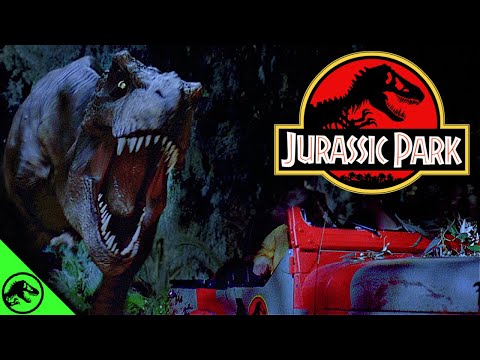
Jurassic Park

Jurassic Park

A science fiction franchise about a theme park populated with cloned dinosaurs that escape and wreak havoc.

IP Overview & Key Facts

IP Key Facts

Essential information and quick stats.
Full Name
Jurassic Park
Also Known As
Jurassic World, JP, JW
Format
Science Fiction Franchise
Release Year
1990
Current Status
Active
Country of Origin
United States
Region
Global
Creator
Michael Crichton
Publisher
Knopf (Novel), Universal Pictures (Films)
Original Work
Jurassic Park (1990 Novel)
Genre
Science Fiction, Thriller, Adventure, Action

Story, World & Core Themes

Explore the narrative, setting, and ideas that shape Jurassic Park.
Story
High-level synopsis and narrative focus.
A wealthy philanthropist creates a theme park of cloned dinosaurs on a remote island. When the security system fails during a preview tour, the prehistoric creatures escape, turning the park into a deadly survival zone.
World
Setting, cultures, and distinctive elements.
Isla Nublar, Isla Sorna


Dinosaur fascination, genetic science, ethical debates
Themes
Core ideas and recurring motifs.
Chaos Theory, Genetic Engineering Ethics, Man vs. Nature, Corporate Greed

Cultural Impact Timeline

High-level milestones showing Jurassic Park's global influence.
1990
Michael Crichton's novel published
1993
Steven Spielberg's film released, breaking box office records
1997
The Lost World sequel released
2001
Jurassic Park III released
2015
Jurassic World revives the franchise
2022
Jurassic World Dominion concludes the second trilogy
Sales
Over 20 million novels sold
Revenue
Film franchise grossed over $6 billion worldwide
Cultural Impact
Revolutionized CGI in film, sparked renewed interest in paleontology

Key Characters

Meet representative characters from Jurassic Park.
Dr. Alan Grant
They're moving in herds... they do move in herds!
A renowned paleontologist who becomes one of the first people to encounter living dinosaurs.View Profile
Dr. Ellie Sattler
Life finds a way.
A brilliant paleobotanist who helps uncover the problems with Jurassic Park's ecosystem.View Profile
Dr. Ian Malcolm
Life, uh, finds a way.
A charismatic mathematician specializing in chaos theory who predicts the park's failure.View Profile
John Hammond
Welcome to Jurassic Park!
The eccentric billionaire founder and CEO of InGen who created Jurassic Park.View Profile
Owen Grady
Easy, Blue. Easy.
A former Navy animal behaviorist who works as a Velociraptor trainer at Jurassic World.View Profile
Claire Dearing
We're going to have to jump.
The operations manager of Jurassic World who learns to respect the dinosaurs as living creatures.View Profile

Frequently Asked Questions

What is the scientific premise behind Jurassic Park?
The core premise involves extracting dinosaur DNA from prehistoric mosquitoes trapped in fossilized amber. Scientists at InGen (International Genetic Technologies) fill in the gaps of the fragmented dinosaur DNA sequences using DNA from modern-day frogs. This genetic engineering allows them to clone and breed living dinosaurs for a theme park, though the use of frog DNA leads to unforeseen consequences, such as the dinosaurs changing sex and breeding.
Who is John Hammond?
John Hammond is the billionaire philanthropist and CEO of InGen, the company responsible for creating Jurassic Park. In the movies, he is portrayed by Richard Attenborough as a charming, visionary dreamer who wants to show the world something "real" but fails to grasp the dangers of his creation. In Michael Crichton's novel, he is a much darker, greedier, and more arrogant capitalist.
What are the main dinosaur species featured in the first movie?
The original "Jurassic Park" (1993) features several iconic dinosaurs: the Tyrannosaurus Rex (the park's star attraction and inadvertent savior), Velociraptors (highly intelligent pack hunters), Brachiosaurus (the first dinosaur seen, showing their majesty), Triceratops (a sick dinosaur treated by Dr. Sattler), and Dilophosaurus (which attacks Nedry with venom).
Where is Jurassic Park located?
Jurassic Park is located on a fictional island called Isla Nublar, situated 120 miles off the west coast of Costa Rica. The sequel, "The Lost World," introduces a second island, Isla Sorna (Site B), where the dinosaurs were bred and nurtured before being moved to the park on Isla Nublar. Filming for the island scenes largely took place in Hawaii (Kauai and Oahu).
Who are the main characters invited to inspect the park?
John Hammond invites a team of experts to endorse the park: Dr. Alan Grant (a paleontologist), Dr. Ellie Sattler (a paleobotanist), and Dr. Ian Malcolm (a mathematician specializing in Chaos Theory). They are joined by "the blood-sucking lawyer" Donald Gennaro and Hammond's grandchildren, Lex and Tim Murphy, who become trapped in the park when the systems fail.
What is Chaos Theory and how does it apply to the story?
Chaos Theory, championed by Dr. Ian Malcolm, suggests that complex systems (like a dinosaur theme park) are inherently unpredictable and that small changes can lead to massive, uncontrollable consequences (the Butterfly Effect). Malcolm predicts the park's failure, arguing that "life finds a way" and that attempting to control nature is a fool's errand. The events of the movie prove him right.
How did the dinosaurs escape in the first movie?
The park's security systems were deactivated by Dennis Nedry, the disgruntled lead computer programmer. Nedry shut down the power to the fences (except the Raptor pen) to sneak stolen dinosaur embryos off the island for a corporate rival. This act of sabotage, combined with a tropical storm, allowed the T-Rex and other dinosaurs to escape their enclosures and wreak havoc.
What is the difference between the Velociraptors in the movie and reality?
Real Velociraptors were much smaller (about the size of a turkey) and covered in feathers. The "Velociraptors" in the movie were actually based on a related species, Deinonychus, which was larger. Spielberg exaggerated their size further for dramatic effect and omitted the feathers (which were not widely accepted in paleontology at the time of the film's production).
What is the legacy of Jurassic Park in film history?
Steven Spielberg's "Jurassic Park" is a landmark in cinema for its pioneering use of Computer-Generated Imagery (CGI) by ILM mixed with practical animatronics by Stan Winston. It set a new standard for visual effects, making digital creatures look realistic for the first time. It was the highest-grossing film of all time upon release and spawned a massive multi-billion dollar franchise.
What is "Jurassic World"?
"Jurassic World" (2015) serves as a soft reboot/sequel to the original franchise. It takes place 22 years after the original events, where a fully functional dinosaur theme park has finally opened on Isla Nublar. The new trilogy explores the consequences of genetic hybridization (the Indominus Rex) and the eventual spread of dinosaurs into the wider world ("Dominion").

Share the Joy and Fun!

Spread the word to your friends and community.