Akihabara Anime District
Explore neon-lit streets, cosplay vibes, arcades, and hundreds of anime shops in one compact district.
Introduction / Overview
✦Start with immersive street-walk videos to feel Akihabara’s energy, then dive into detailed guides below.
Akihabara evolved from a post-war electronics bazaar into the world’s most iconic otaku sanctuary. Today, its streets glow with neon signage, shopfront anime art, and spontaneous cosplay appearances. The district offers a truly immersive atmosphere: multi-floor anime stores, retro game basements, vast gachapon halls, and themed cafes. For global fans, Akihabara is a must-visit — hundreds of shops and diverse experiences packed within walkable blocks.

Wandering Tokyo's Anime and Gaming District, Akihabara in 2025 (4K)
Street walk energy — signage, entrances, and crowd flow. Watch first to feel the vibe.

Is AKIHABARA still worth going to? Tokyo, Japan 2025
Current appeal and expectations — perfect for first-time visitors.
Akihabara Map
✦
Must-Visit Anime Shops
✦Animate Akihabara
Daily 10:00–21:00

Volks Akihabara
Weekdays 11:00–20:00 · Weekends 10:00–20:00

Surugaya Akihabara
Weekdays 11:00–21:00 · Weekends 10:00–21:00

Radio Kaikan
Daily 10:00–20:00 (varies by store)

Kotobukiya Akihabara
Weekdays 12:00–20:00 · Weekends 11:00–20:00

Yodobashi Akiba
Daily 9:30–22:00

BicCamera AKIBA
Daily 10:00–22:00
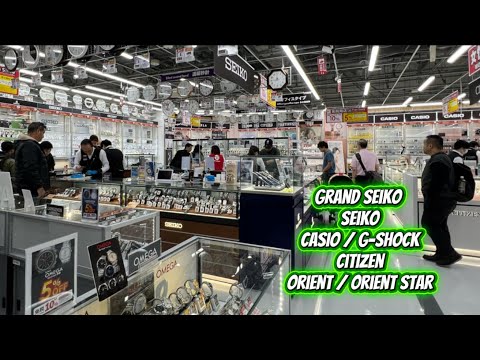
Don Quijote Akihabara
Open 24 Hours
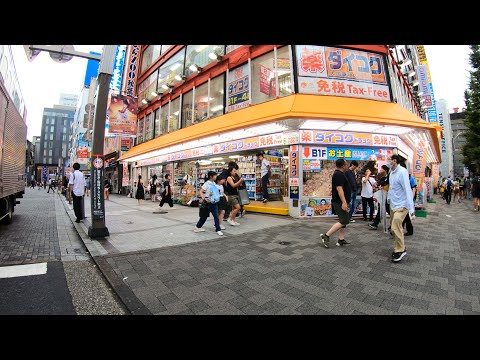
Mandarake Akihabara
Daily 12:00–20:00

Arcades & Gachapon
✦

Maid Cafes & Themed Experiences
✦Etiquette & Culture
Cheerful greetings, table-side mini-performances, call-and-response rituals. Photos with staff may require paid options; ask politely.
Recommended & Spend
Recommended: @home cafe and Maidreamin. Typical spend: entry + drink/meal + optional photo set.
Notes & Peak Times
Some venues have waitlists during peak hours; weekend evenings are busiest.

Akihabara Electric Town - Tokyo's Iconic Anime District
Culture and etiquette — themed experiences and street atmosphere.

Tokyo Anime District Walk — Akihabara Cosplay & Street Vibes 4K
Cosplay appearances, music-charged streets, and themed hotspots.
Akihabara Pedestrian Paradise (Hokoten) Guide
✦Akihabara's Pedestrian Paradise ("Hokoten" / 歩行者天国) turns Chuo-dori into a car-free zone so visitors can stroll, shop and enjoy Electric Town safely.
Schedule & Dates (2025)
- Frequency: Sundays (except national-holiday adjustments)
- Time: Winter (Oct–Mar) 13:00–17:00 · Summer (Apr–Sep) 13:00–18:00
- As of Dec 27, 2025: Dec 28, 2025 & Jan 4, 2026 canceled (year-end/New Year)
- Cancellations: rain, extreme heat alerts, major events (Tokyo Marathon, Kanda Festival, World Athletics)
- Latest info: akiba.or.jp
Area Covered
- Main section: Manseibashi → Suehirocho (~570m) on Chuo-dori
- 1-min from JR Akihabara Electric Town Exit; lined with electronics, anime shops, maid cafes
Rules & Notes
- Street performances, live streaming, busking
- Selling goods, flyers solicitation
- Cycling (dismount and push)
- Smoking on streets (Chiyoda Ward ban)
- Expect crowds; avoid blocking paths
- Security cameras enhanced since 2011 revival
- Follow etiquette for a pleasant experience
Why Experience It?
Weekend highlight: walk down the middle of the road, admire anime storefronts and energetic street vibe—perfect for first-time visitors capturing Electric Town’s essence.
Pro Tip: Check weather and announcements before heading out. In winter (Dec 2025), dress warm.
Recommended Itinerary
✦Half-day Plan (4–6 hours)
- Start at Electric Town Exit; quick street walk — watch a street walk video first.
- Animate → Mandarake → Kotobukiya — focus on figures and artbooks.
- GiGO arcade — try a crane machine; check videos for technique tips.
- Snack break — ramen or beef bowl nearby.
Full-day Plan (8–10 hours)
- Morning: street walk + shop browsing; use shop guide videos for route.
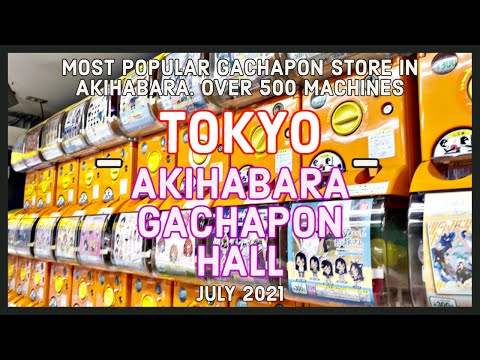
- Midday: Super Potato + Gachapon hall; grab exclusive series early.
- Afternoon: themed cafe experience; consult culture videos for etiquette.
- Evening: return to favorites; vlog guide for food picks and night vibes.
How to Get There / Access
✦- JR Akihabara Station: Yamanote Line, Keihin-Tohoku Line, Sobu Line; use Electric Town Exit for anime district access.
- Tokyo Metro: Hibiya Line to Akihabara Station; exits connect directly into the shopping streets.
- From Tokyo Station: Yamanote Line only 2 stops; approx 5 minutes.
- From Haneda Airport: Keikyu Line to Shinagawa → Yamanote Line to Akihabara (approx 45–60 minutes).
- Static map description: Electric Town exits lead south-west toward radio center/retro shops; north-side streets host big-box retailers and multi-floor anime stores.
Shopping Tips
✦- Tax-free shopping: bring passport; minimum spend thresholds apply.
- Haggling is uncommon; look for bundle deals or point-back promotions.
- Avoid impulse buys; check multiple stores for price comparisons.
- Limited collabs sell out fast; ask staff about restock schedules.
Food & Breaks
✦- Ramen and beef bowls along the main street; quick and satisfying.
- Themed eateries with anime decor; great for photos but expect queues.
- Street snacks during events; follow vlogs for seasonal pop-ups.
Nearby Attractions
✦- Kanda Myojin Shrine — anime collabs and beautiful grounds.
- Ueno area — museums, park, and Ameyoko shopping street.
- Ochanomizu — music stores and classic campus district.
Explore more districts and locations on our site.
FAQ
✦1. What is Akihabara best known for?
Akihabara (often called "Akiba") is famous as Tokyo's "Electric Town" for electronics and as the global center of otaku culture, including anime, manga, video games, figures, retro gaming, and maid cafes.
2. How do I get to Akihabara?
Take the JR Yamanote Line, Sobu Line, or Keihin-Tohoku Line to Akihabara Station. Use the Electric Town Exit (Denkigai Exit) for direct access to the main shopping area. It's also served by Tokyo Metro Hibiya Line and Tsukuba Express.
3. What is the best time to visit Akihabara?
Weekday mornings or early afternoons (after 11:00 AM when most shops open) for fewer crowds. Avoid weekends and peak hours (noon–6:00 PM) if possible. Sundays feature a pedestrian-only zone on Chuo Dori for a lively atmosphere.
4. Is Akihabara safe for tourists?
Yes, it's one of Tokyo's safest areas, even at night, with high police presence and well-lit streets. Pickpocketing is rare, but stay aware in crowds as with any busy district.
5. What are maid cafes, and are they worth visiting?
Maid cafes are themed spots where staff in maid outfits provide cute, playful service (e.g., performances, games, decorated food). Popular ones include @home cafe and Maidreamin. They're family-friendly and tourist-oriented—expect entry fees (¥500–1,000) plus drink/food minimums; great for a unique cultural experience.
6. Can I shop tax-free in Akihabara?
Yes, most major stores (e.g., Yodobashi Akiba, Animate, Mandarake) offer tax-free for purchases over ¥5,000 (excluding tax). Bring your passport and process at dedicated counters.
7. Where can I store luggage while shopping?
Use coin lockers at Akihabara Station (¥300–700 depending on size). Larger stores like Yodobashi often provide temporary storage for customers.
8. Is there free WiFi in Akihabara?
Free WiFi is available at major stores (Yodobashi, Starbucks), cafes, and some public spots. For reliable access, buy a tourist SIM card or pocket WiFi at electronics shops like BicCamera.
9. How much time should I spend in Akihabara?
3–6 hours for a casual visit (shopping + arcade/maid cafe). Full-day if you're a deep otaku fan exploring multiple stores like Animate, Radio Kaikan, and Mandarake.
10. Are there English-friendly options in Akihabara?
Many large stores and maid cafes have English menus/signage and multilingual staff. Smaller shops may rely on translation apps, but the area is very tourist-welcoming overall.