The Garden of Words Pilgrimage

言の葉の庭

Walk Through the Rain-Soaked Gardens That Inspired Makoto Shinkai's Most Intimate Film

Updated: 2026-07-27

About

Few anime capture the quiet beauty of everyday Tokyo as vividly as The Garden of Words (言の葉の庭).

Directed by Makoto Shinkai, the film tells a deeply personal story of Takao Akizuki and Yukari Yukino, whose chance encounters on rainy mornings unfold within the tranquil surroundings of Shinjuku Gyoen National Garden. Unlike many anime pilgrimages that span multiple cities, nearly the entire emotional journey can be experienced within a single park in the heart of Tokyo.

From the iconic wooden pavilion and peaceful ponds to tree-lined paths and hidden corners, visitors can step into one of the most faithfully recreated real-world settings in anime. The garden's changing seasons and gentle atmosphere continue to attract fans from around the world, offering an experience that feels remarkably close to the film itself.

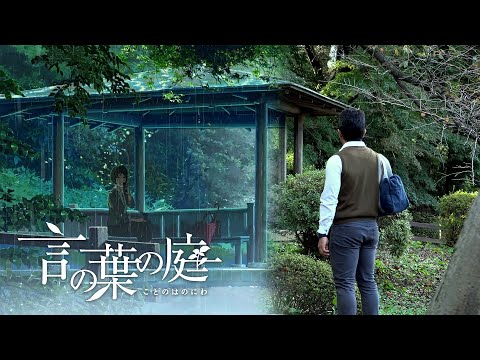
The Garden of Words Pilgrimage Trailer

Journey Snapshot

Main DestinationShinjuku Gyoen National Garden, Tokyo
Additional LocationsShinjuku
Suggested DurationHalf day
Best ForMakoto Shinkai fans, photography, and nature lovers
Travel StyleLeisurely walking
DifficultyVery easy
Best SeasonEarly summer, spring, and autumn
Walking DistanceApproximately 3-4 km

Why This Journey Is Unique

Experience the Most Atmospheric Pilgrimage in Tokyo

Unlike many anime that send fans across multiple prefectures, The Garden of Words invites visitors to slow down.

The film is built around subtle conversations, changing weather, reflections on water, and the peaceful rhythm of one of Tokyo's finest gardens. Rather than chasing dozens of filming locations, this pilgrimage encourages visitors to experience the same quiet moments that shaped Takao and Yukari's story.

Because Makoto Shinkai's backgrounds were drawn with extraordinary realism, many locations remain instantly recognizable more than a decade after the film's release.

Why Fans Love This Journey

Visit the Iconic Pavilion

Sit beneath the famous garden pavilion where Takao and Yukari first meet on rainy mornings.

Experience Shinjuku Gyoen

Explore one of Tokyo's most beautiful parks, with Japanese, English, and French-style gardens across a large protected landscape.

Follow Makoto Shinkai's Footsteps

See how one real location became one of anime's most visually celebrated settings.

Perfect for Photography

Rain, reflections, lush greenery, and seasonal colors make every visit feel slightly different.

Journey Highlights

Don't Miss

  • Visit the wooden pavilion featured throughout the film.
  • Walk the peaceful paths around Shinjuku Gyoen's ponds and gardens.
  • Compare iconic anime scenes with their real-world locations.
  • Photograph reflections after rainfall.
  • Experience the park during Japan's rainy season for the closest atmosphere to the movie.
  • Relax beneath the trees and enjoy the same quiet environment that inspired Takao's sketches.

Before You Start

Shinjuku Gyoen is a protected national garden and one of Tokyo's most treasured green spaces.

An admission ticket is required to enter the park, and visitors should follow park regulations, remain on designated paths, and respect other guests enjoying the gardens. Alcohol is prohibited, helping maintain the peaceful atmosphere that defines the park.

If you're hoping to recreate scenes from the film, remember that the pavilion and surrounding paths are shared public spaces. Be considerate of other visitors and avoid blocking walkways during photography.

Explore the Real-Life World of The Garden of Words

Shinjuku Gyoen National GardenThe Garden PavilionFormer GoryoteiShinjuku GateJapanese Traditional GardenShinjuku Gate

Plan Your The Garden of Words Pilgrimage

2-3 hours

Option 1 - Essential Garden Walk

Perfect for first-time visitors who want the core emotional route inside the park.

  • Shinjuku Gate
  • Garden Pavilion
  • Central Pond
  • Japanese Traditional Garden
  • Former Goryotei

Half day

Option 2 - Complete Pilgrimage

A fuller walk linking the major garden locations with the surrounding station area.

  • Shinjuku Gate
  • Garden Pavilion
  • Japanese Traditional Garden
  • Former Goryotei
  • Landscape Garden

Full day

Option 3 - Makoto Shinkai Tokyo

Pair The Garden of Words with nearby Tokyo locations from other Makoto Shinkai works.

  • The Garden of Words pilgrimage
  • Nearby Shinjuku locations
  • Your Name in Yotsuya
  • Weathering With You in central Tokyo

Spotlight Location Guide

Shinjuku Gyoen National Garden (新宿御苑)

The protected national garden that serves as the emotional world of the film and the most important stop on the entire pilgrimage.

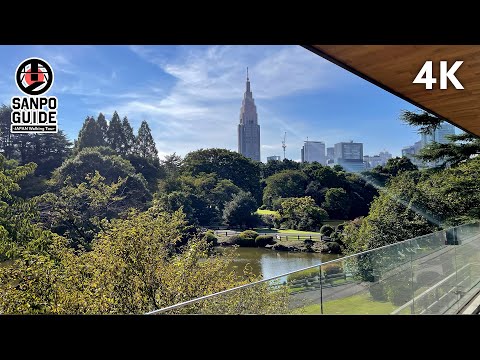
Shinjuku Gyoen National Garden Video

Trip Facts

Visit Time

2-3 hours

Travel Snapshot

Key planning details for this stop, organized like a quick on-the-go pilgrimage guide.

Season

Best Time to Visit

Rainy season (June-July), spring, and autumn

For Photographers

Photography

For the closest resemblance to the film, visit shortly after light rain, when wet paths and reflections recreate the movie's atmosphere.

Explore the Beautiful Garden That Became the Heart of The Garden of Words

Located between Shinjuku and Sendagaya in central Tokyo, Shinjuku Gyoen National Garden is one of Japan's most celebrated urban parks. Covering approximately 58.3 hectares (144 acres), it combines Japanese Traditional, English Landscape, and French Formal gardens into a peaceful retreat surrounded by one of the world's busiest cities.

For fans of Makoto Shinkai's The Garden of Words (言の葉の庭), Shinjuku Gyoen is much more than a beautiful park. It is the film's emotional centerpiece. Nearly every memorable scene unfolds within its tranquil landscapes, where Takao Akizuki and Yukari Yukino gradually build a quiet connection through chance meetings on rainy mornings.

Kyoto may have historic temples and Your Name has iconic staircases, but for The Garden of Words, the destination is the garden itself. Walking through Shinjuku Gyoen allows visitors to experience the same peaceful atmosphere that inspired one of anime's most visually acclaimed films.

Why It Matters in The Garden of Words

Unlike many anime pilgrimages that require traveling across multiple cities, The Garden of Words is centered almost entirely within one location.

Shinjuku Gyoen serves as the setting where Takao skips school to sketch shoe designs, the place where Takao and Yukari first meet by chance, the backdrop for many of the film's most emotional conversations, and a symbol of solitude, healing, and personal growth.

Rather than dramatic action or sightseeing, the story focuses on small moments such as listening to rainfall, watching leaves move in the wind, and sharing quiet conversations. The garden's calm atmosphere is essential to the film's identity.

Makoto Shinkai's background artists recreated the park with extraordinary precision, making it one of the most faithful real-world anime locations ever animated.

Anime Connection

What to See

  • The Garden Pavilion (Azumaya), the traditional wooden pavilion where Takao and Yukari meet repeatedly during rainy mornings and the emotional heart of the story.
  • The Japanese Traditional Garden, with stone lanterns, ponds, carefully pruned trees, and seasonal flowers that create the tranquil atmosphere seen throughout the movie.
  • The Central Pond, where reflections of trees and clouds echo Makoto Shinkai's signature use of water imagery.
  • Tree-lined walking paths that remain remarkably unchanged and preserve the quiet rhythm portrayed in the animation.
  • Seasonal landscapes across spring blossoms, early summer rain, autumn foliage, and winter calm.

Photography Tips

For the closest resemblance to the film, visit shortly after light rain, when wet paths and reflections recreate the movie's atmosphere.

  • Early morning usually offers fewer visitors and softer lighting.
  • Include trees, reflections, and open space rather than focusing only on individual buildings.
  • Respect photography restrictions around the pavilion and avoid blocking paths for other visitors.
  • The Garden of Words is celebrated not only for specific locations but also for its mood, so atmosphere often matters more than exact frame matching.

Travel Tips

  • Allow 2-3 hours to explore the garden comfortably.
  • Entry requires an admission ticket.
  • The park is typically closed on Mondays, or the following weekday if Monday is a public holiday, so check the official schedule before visiting.
  • Bringing a small umbrella during the rainy season can enhance the experience while keeping you comfortable.
  • Food and drinks are permitted only in designated areas.

Beyond the Anime

Imperial Origins

Originally established as an imperial garden in 1906, Shinjuku Gyoen became a public national garden after World War II.

Seasonal Landmark

The garden contains more than 10,000 trees and around 900 cherry trees representing dozens of varieties, making it one of Tokyo's premier destinations for both hanami and autumn foliage.

Urban Tranquility

Despite being surrounded by skyscrapers, Shinjuku Gyoen offers a remarkable sense of calm, a contrast that perfectly reflects the film's theme of finding peace amid city life.

EnjoyIP Insight

Unlike many anime pilgrimage destinations where one famous landmark defines the journey, The Garden of Words invites you to experience an entire landscape. Shinjuku Gyoen is not simply the backdrop of the film. It is its emotional core. Whether you are listening to rain beneath the trees, strolling along quiet garden paths, or watching reflections ripple across the ponds, the true beauty of this pilgrimage lies in slowing down and appreciating the peaceful moments that Makoto Shinkai brought to life.

The Garden Pavilion / Azumaya (四阿)

The iconic wooden pavilion where Takao and Yukari meet on rainy mornings and the single most famous location from the film.

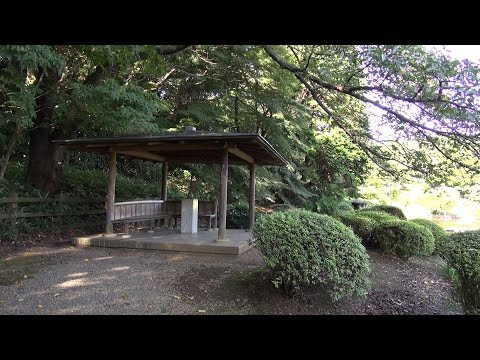
The Garden Pavilion / Azumaya Video

Trip Facts

Visit Time

20-30 minutes

Travel Snapshot

Key planning details for this stop, organized like a quick on-the-go pilgrimage guide.

For Photographers

Photography

For the most authentic atmosphere, visit shortly after light rain, when wet wooden floors and reflective pathways resemble the film.

Visit the Iconic Pavilion Where Takao and Yukari First Met

Hidden among the trees of Shinjuku Gyoen National Garden, the Garden Pavilion (四阿, Azumaya) is the single most recognizable location in The Garden of Words (言の葉の庭). This modest wooden shelter is where Takao Akizuki and Yukari Yukino first meet on a rainy morning, beginning a quiet relationship that unfolds through a series of chance encounters.

Although simple in appearance, the pavilion has become one of the most famous anime pilgrimage destinations in Tokyo. Makoto Shinkai and his team recreated its architecture, surrounding pond, stone paths, and lush greenery with extraordinary precision, making it instantly recognizable to fans.

For many visitors, standing beneath the pavilion's roof while listening to falling rain is the closest experience to stepping directly into the world of The Garden of Words.

Why It Matters in The Garden of Words

The Garden Pavilion is the emotional heart of the film.

Almost every significant conversation between Takao and Yukari takes place here. Protected from the rain, the pavilion becomes a quiet space where two strangers gradually open up about their lives, dreams, and uncertainties.

Rather than dramatic action, the film focuses on subtle emotions expressed through silence, weather, and the surrounding natural environment.

The pavilion represents the beginning of Takao and Yukari's relationship, a refuge from the pressures of everyday life, a place where honesty becomes easier than anywhere else, and the central symbol of the film's themes of healing, loneliness, and personal growth.

Few anime locations are as closely associated with a single setting as this pavilion.

Anime Connection

What to See

  • The wooden pavilion itself, with its open-sided traditional design, wooden pillars, tiled roof, and simple benches that appear almost exactly as they do in reality.
  • The surrounding pond, where reflections of trees and the pavilion after rainfall resemble Makoto Shinkai's signature visual style.
  • Stone pathways leading to the pavilion that are featured repeatedly as Takao approaches on rainy mornings.
  • Seasonal greenery that surrounds the structure year-round, with early summer foliage matching the film especially closely.

Photography Tips

For the most authentic atmosphere, visit shortly after light rain, when wet wooden floors and reflective pathways resemble the film.

  • Early weekday mornings usually offer the fewest visitors.
  • Wide-angle compositions work well because they show both the pavilion and the surrounding trees.
  • If recreating anime scenes, wait until the pavilion is relatively quiet rather than blocking other visitors.
  • Remember that this is a shared public space, so respect guests who may simply be enjoying the gardens.

Travel Tips

  • The pavilion is located within Shinjuku Gyoen National Garden, so a park admission ticket is required.
  • Allow 20-30 minutes to enjoy the pavilion and its surroundings.
  • The structure is a popular destination for both anime fans and general visitors, so patience may be needed during busy periods.
  • Some areas immediately around the pavilion may occasionally be roped off or subject to temporary access restrictions to protect the historic structure and surrounding landscape.
  • Please do not climb onto benches, railings, or landscaped areas.

Rain Makes All the Difference

Best Atmosphere

While Shinjuku Gyoen is beautiful in every season, the pavilion is at its most atmospheric during Tokyo's rainy season from June to July.

Why Fans Time Their Visit

The sound of raindrops on the roof, the scent of wet leaves, and reflections across the pond recreate the quiet mood that defines the film.

Shinkai Mood

Many fans intentionally visit on overcast or rainy days, not despite the weather, but because of it.

EnjoyIP Insight

The Garden Pavilion is proof that an ordinary structure can become extraordinary through storytelling. There are no grand monuments or dramatic architecture here, just a simple shelter surrounded by trees. Yet through Makoto Shinkai's meticulous animation and heartfelt storytelling, this quiet pavilion has become one of the most iconic meeting places in anime, reminding visitors that life's most meaningful conversations often happen in the simplest of places.

Former Goryotei (Taiwan Pavilion) (旧御凉亭)

A beautiful pavilion structure inside the garden that reinforces the calm, reflective atmosphere of the pilgrimage route.

Former Goryotei (Taiwan Pavilion) Video

Trip Facts

Visit Time

15-20 minutes

Travel Snapshot

Key planning details for this stop, organized like a quick on-the-go pilgrimage guide.

For Photographers

Photography

Morning and late afternoon usually provide the most flattering natural light for this part of the garden.

Discover the Elegant Pavilion That Complements the World of The Garden of Words

Nestled within Shinjuku Gyoen National Garden, the Former Goryōtei (旧御凉亭), also widely known as the Taiwan Pavilion, is one of the garden's most distinctive architectural landmarks. Built in 1928 as a gift commemorating the marriage of Emperor Hirohito, later Emperor Shōwa, the pavilion showcases traditional Taiwanese architectural design and overlooks a tranquil pond surrounded by lush greenery.

Although it is not the primary setting of The Garden of Words, the pavilion and its surrounding landscape contribute to the rich visual atmosphere that defines the film. Makoto Shinkai's meticulous depiction of Shinjuku Gyoen captures not only its famous gazebo but also the park's elegant architecture, peaceful ponds, and carefully maintained gardens, all of which help create the film's dreamlike sense of place.

For visitors exploring the garden, the Former Goryōtei offers one of the most picturesque stops on the pilgrimage and a chance to appreciate another side of Shinjuku Gyoen beyond its most iconic anime location.

Why It Matters in The Garden of Words

One of the defining characteristics of The Garden of Words is its ability to transform an entire landscape into part of the story.

While Takao and Yukari's meetings center on the Garden Pavilion, the surrounding scenery, including bridges, ponds, trees, and architectural landmarks like the Former Goryōtei, helps establish the quiet, contemplative atmosphere that makes the film so memorable.

The pavilion represents a peaceful retreat hidden within central Tokyo, a place where architecture and nature exist in harmony, and one of the carefully observed details that demonstrate Makoto Shinkai's extraordinary commitment to realism.

Anime Connection

What to See

  • Traditional Taiwanese architecture, including sweeping tiled roofs, decorative wooden details, and open viewing terraces overlooking the pond.
  • The reflection pond beside the pavilion, where post-rain reflections echo the water imagery seen throughout the film.
  • Walking paths around the pavilion that pass through manicured lawns, mature trees, and seasonal flowers.
  • Seasonal scenery across spring greenery, rainy-season reflections, autumn maple leaves, and winter stillness.

Photography Tips

Morning and late afternoon usually provide the most flattering natural light for this part of the garden.

  • Include the pavilion's reflection in the pond whenever possible.
  • Frame the building through nearby trees to recreate the layered scenery characteristic of Makoto Shinkai's artwork.
  • Visit after light rain for richer colors and stronger mirror-like reflections.
  • Even without a single exact anime scene here, the surrounding atmosphere closely matches the film's visual language.

Travel Tips

  • The Former Goryōtei is located within Shinjuku Gyoen National Garden and is included with regular park admission.
  • Allow 15-20 minutes to visit the pavilion and nearby pond.
  • The pavilion is a short walk from the Garden Pavilion, making it easy to include both in the same route.
  • Please remain on designated paths and avoid entering restricted areas around the building.

A Hidden Architectural Gem

Beyond the Famous Gazebo

Many visitors come to Shinjuku Gyoen mainly for the Garden Pavilion, but the Former Goryōtei is equally deserving of attention.

Cultural Layer

As one of the few examples of traditional Taiwanese architecture in a Japanese national garden, it adds another layer of cultural richness to the park.

Why It Fits the Film

Together with its tranquil waterside setting, the pavilion helps explain why Makoto Shinkai chose Shinjuku Gyoen as the backdrop for a story where nature, architecture, and human emotion blend so seamlessly.

EnjoyIP Insight

The Former Goryōtei may not be the film's most recognizable anime location, but it embodies the same quiet elegance that defines The Garden of Words. Surrounded by still water, graceful architecture, and seasonal greenery, it invites visitors to slow down and appreciate the subtle beauty that Makoto Shinkai captured throughout the film, where every corner of the garden feels worthy of a lingering glance.

Shinjuku Gate (新宿門)

The most convenient entrance for many visitors and a practical starting point for retracing the film inside the garden.

Shinjuku Gate Video

Trip Facts

Visit Time

10-15 minutes

Travel Snapshot

Key planning details for this stop, organized like a quick on-the-go pilgrimage guide.

For Photographers

Photography

Rather than focusing only on the entrance itself, try to capture the gradual transition from city to nature.

Begin Your The Garden of Words Pilgrimage at the Main Entrance to Shinjuku Gyoen

Located on the western side of Shinjuku Gyoen National Garden, Shinjuku Gate (新宿門) is the park's primary entrance and the starting point for most visitors exploring the real-world locations of The Garden of Words (言の葉の庭).

While the gate itself is not the setting for the film's most emotional scenes, it serves as the transition between the fast-paced streets of central Tokyo and the tranquil world where Takao Akizuki and Yukari Yukino repeatedly meet. This contrast, leaving behind the noise of the city and entering a peaceful natural sanctuary, is one of the film's central themes.

Just a few steps beyond the gate, the atmosphere changes dramatically. Towering skyscrapers disappear behind dense greenery, busy traffic gives way to birdsong, and visitors begin the same quiet walk that leads toward the Garden Pavilion.

Why It Matters in The Garden of Words

Although Shinjuku Gate appears only briefly, it represents the beginning of every journey into the film's world.

For Takao, entering Shinjuku Gyoen means escaping the pressures of school and pursuing his dream of becoming a shoemaker.

For Yukari, the garden offers a temporary refuge from the challenges she faces in her personal and professional life.

For visitors, walking through Shinjuku Gate recreates that same emotional transition, from the intensity of modern Tokyo to the calm, reflective atmosphere that defines The Garden of Words.

Anime Connection

What to See

  • The main entrance plaza, including ticket counters, visitor information, and the wide pathways leading into the garden.
  • The tree-lined entrance path immediately beyond the gate, where the surrounding city begins to fade behind greenery.
  • Seasonal landscapes across cherry blossoms, rainy-season greenery, autumn foliage, and quiet winter scenery.
  • The visitor center area, which is useful for maps, multilingual information, restrooms, and seasonal notices.

Photography Tips

Rather than focusing only on the entrance itself, try to capture the gradual transition from city to nature.

  • The tree-lined pathway immediately inside the gate often gives the strongest compositions.
  • Visitors walking toward the inner gardens can help show the feeling of entering the film's world.
  • Framed views looking back toward the entrance through surrounding greenery work especially well.
  • These compositions reflect one of the film's recurring ideas: leaving the outside world behind.

Travel Tips

  • Shinjuku Gate is the most convenient entrance for visitors arriving from JR Shinjuku Station.
  • It is approximately a 10-minute walk from the station's South Exit.
  • Admission tickets are required before entering the garden.
  • Arriving shortly after opening provides the quietest experience and better opportunities for photography.
  • Pick up a park map to help locate the Garden Pavilion and other featured locations.

Your Gateway to the Film

More Than an Entrance

Many anime pilgrimage destinations begin at a railway station or a famous landmark. For The Garden of Words, the true journey begins the moment you pass through Shinjuku Gate.

Atmospheric Shift

The bustling city gradually fades away here, replaced by quiet pathways, rustling leaves, and the gentle rhythm of nature.

Why It Fits the Film

Whether you visit on a sunny afternoon or a rainy morning, the entrance reminds you that the film is less about destinations and more about slowing down, observing your surroundings, and appreciating fleeting everyday beauty.

EnjoyIP Insight

Shinjuku Gate may seem like an ordinary park entrance, but it plays an important symbolic role in The Garden of Words. Crossing its threshold means leaving behind the rush of Tokyo and entering a quieter world where conversations unfold beneath the trees, rain becomes part of the scenery, and simple moments carry lasting meaning. It is the perfect place to begin a pilgrimage inspired by one of Makoto Shinkai's most intimate films.

Japanese Traditional Garden (日本庭園)

The ponds, paths, and carefully landscaped scenery that make The Garden of Words feel so serene and visually immersive.

Japanese Traditional Garden Video

Trip Facts

Visit Time

30-45 minutes

Travel Snapshot

Key planning details for this stop, organized like a quick on-the-go pilgrimage guide.

Season

Best Time to Visit

Rainy season, spring, and autumn

For Photographers

Photography

This area is one of the best places in Shinjuku Gyoen for photography, especially if you are trying to capture atmosphere rather than a single exact frame.

Wander Through the Peaceful Landscape That Defines the Atmosphere of The Garden of Words

Hidden within Shinjuku Gyoen National Garden, the Japanese Traditional Garden (日本庭園) is one of the park's most tranquil and visually stunning areas. Featuring carefully designed ponds, stone bridges, manicured trees, and traditional landscaping, it offers a quiet retreat that feels remarkably removed from the surrounding skyscrapers of central Tokyo.

While The Garden of Words (言の葉の庭) is best known for the iconic Garden Pavilion, much of the film's emotional atmosphere is created by the broader scenery of Shinjuku Gyoen. The Japanese Traditional Garden, with its reflections, seasonal colors, and peaceful pathways, perfectly embodies the calm and contemplative mood that defines Makoto Shinkai's masterpiece.

For many visitors, this is where the garden truly feels like stepping into the world of the film.

Why It Matters in The Garden of Words

Unlike many anime that rely on action-packed locations, The Garden of Words uses nature itself as part of the storytelling.

The Japanese Traditional Garden represents the quiet refuge Takao and Yukari find within the city, the changing seasons that mirror the characters' emotional growth, the beauty of ordinary moments and fleeting encounters, and the film's themes of reflection, loneliness, healing, and connection.

Even when specific scenes are not directly recreated, the garden's atmosphere closely resembles the visual language used throughout the movie.

Walking here helps visitors understand why Shinjuku Gyoen became the perfect setting for the story.

Anime Connection

What to See

  • Traditional ponds surrounded by carefully maintained vegetation, where still water after rainfall often resembles the reflective imagery seen in the film.
  • Stone bridges and winding pathways that encourage the same slow, deliberate pacing that defines the movie.
  • Carefully pruned trees that showcase classic Japanese landscaping and transform the scenery across different seasons.
  • Quiet rest areas where visitors can pause and simply listen to birds, wind, and falling rain.

Photography Tips

This area is one of the best places in Shinjuku Gyoen for photography, especially if you are trying to capture atmosphere rather than a single exact frame.

  • Visit after light rain to capture reflections on the ponds.
  • Use wide compositions that include water, trees, and open sky.
  • Overcast weather often recreates the soft lighting characteristic of Makoto Shinkai's visuals.
  • Some of the film's most memorable images are defined by mood rather than by one specific landmark.

Travel Tips

  • The Japanese Traditional Garden is easily reached from Shinjuku Gate within a short walk.
  • Allow 30-45 minutes to explore the area at a relaxed pace.
  • The garden is especially popular during cherry blossom and autumn foliage seasons.
  • Early morning is ideal for a quieter atmosphere and fewer visitors.
  • Remain on designated pathways to help preserve the carefully maintained landscape.

Experience the Film's True Atmosphere

More Than the Famous Pavilion

Many visitors arrive expecting to see only the Garden Pavilion, but the Japanese Traditional Garden reveals why The Garden of Words feels so unique.

What the Story Is Really Built On

The film is not defined by a single landmark. It is defined by quiet walks, changing weather, reflections on water, and moments of stillness.

Why This Stop Matters

The Japanese Traditional Garden captures all of these elements, making it one of the most rewarding places to experience the spirit of the film.

EnjoyIP Insight

If the Garden Pavilion is the heart of The Garden of Words, the Japanese Traditional Garden is its soul. Here, reflections linger on still water, rain softens every color, and the city fades quietly into the background. More than any individual landmark, this landscape captures the feeling that makes the film unforgettable.

Anime vs Real Life

Makoto Shinkai's meticulous attention to detail makes The Garden of Words one of the easiest films for scene comparison.

Garden Pavilion
Shinjuku Gate
Japanese Traditional Garden
Taiwan Pavilion
Garden Pathways
Central Pond

Nearby Experiences

Discover Shinjuku Gyoen

Spend extra time exploring the garden's Japanese, English Landscape, and French Formal Gardens, each offering a different seasonal experience.

Explore Shinjuku

After leaving the gardens, discover Shinjuku's shopping streets, cafes, observation decks, and nightlife just a short walk away.

Explore Shinjuku

After leaving the gardens, continue through nearby Shinjuku streets, cafes, bookstores, and quieter corners around the park.

Follow Makoto Shinkai's Tokyo

Combine your visit with Your Name and Weathering With You locations to experience how Tokyo inspired several of Shinkai's most celebrated works.

Transportation Guide

Starting Point: The most convenient entrance is Shinjuku Gate, approximately a 10-minute walk from JR Shinjuku Station.

Alternatively, visitors can enter from Okido Gate depending on their planned walking route.

Because the pilgrimage is concentrated in one park, walking is the best way to experience the route. The compact layout is one of the reasons this film makes such an accessible Tokyo pilgrimage.

Best Time to Visit

Spring

Cherry blossoms transform the gardens into one of Tokyo's most celebrated hanami destinations.

Rainy Season (June-July)

The most authentic time to experience the atmosphere of The Garden of Words, with wet pathways and lush greenery.

Summer

Dense foliage creates cool, shaded walking paths much like those seen throughout the movie.

Autumn

Brilliant maple leaves and golden ginkgo trees offer another beautiful interpretation of the garden.

Share the Joy and Fun!

Spread the word to your friends and community.