Walk Through Kumiko and Reina's Uji
Many of the series' most emotional moments take place at real locations that remain largely unchanged today.
From peaceful riverside paths and historic bridges to train stations, schools, and everyday neighborhoods, Hibike! Euphonium transforms the historic city of Uji into one of anime's most authentic real-world settings.
Produced by Kyoto Animation, the series faithfully recreates Uji's streets, landmarks, and scenery with extraordinary attention to detail. Fans can follow the footsteps of Kumiko Oumae, Reina Kousaka, and the Kitauji High School Concert Band while exploring locations that appear throughout every season of the anime.
Whether you are a music enthusiast, an anime fan, or a traveler interested in Kyoto beyond its famous temples, this pilgrimage offers a memorable journey through one of Japan's most charming historic cities.

| Main Destination | Uji, Kyoto Prefecture |
|---|---|
| Nearby Cities | Kyoto • Fushimi • Kyoto Station Area |
| Suggested Duration | 1 Full Day |
| Best For | Anime Fans • Music Lovers • Photography • History Enthusiasts |
| Travel Style | Walking & Local Train |
| Difficulty | Easy |
| Best Season | Spring and Autumn |
| Walking Distance | Approximately 6-8 km |
Few anime studios recreate real locations as accurately as Kyoto Animation.
In Hibike! Euphonium, Uji is not simply an inspiration. It is the story's stage. From railway stations and shopping streets to riverside walkways and famous landmarks, many locations are instantly recognizable, allowing visitors to compare the anime with reality almost scene for scene.
Unlike fantasy worlds or fictional cities, this pilgrimage introduces travelers to an authentic Japanese community where daily life, music, and history blend naturally.
Many of the series' most emotional moments take place at real locations that remain largely unchanged today.
Beyond the anime, Uji is famous for UNESCO World Heritage sites, traditional tea culture, and scenic riverside landscapes.
Most pilgrimage locations are concentrated within walking distance of JR Uji Station and Keihan Uji Station.
Kyoto Animation's meticulous backgrounds make it easy to recreate iconic scenes from the series.
Most locations are located in central Uji and can be explored on foot.
Please remember that several locations are residential neighborhoods or active public spaces. Avoid blocking sidewalks, entering private property, or disturbing local residents while taking photographs.
Supporting local cafes and businesses is a great way to contribute positively to the community that inspired the series.
The route centers on Uji's stations, bridges, riverside scenery, school inspiration, and historic landmarks.
An embedded map can be added once the final scene-by-scene Spot order is fully locked in.
Curated videos and routes — click a card to watch and plan your trip.
The main gateway to Uji and one of the easiest starting points for tracing the everyday world of Kitauji High School.

Travel Snapshot
Key planning details for this stop, organized like a quick on-the-go pilgrimage guide.
Season
Morning
For Photographers
This stop has strong anime comparison potential once you match its framing to scenes from the series.
JR Uji Station is one of the key real-world stops in the world of Sound! Euphonium.
JR Uji Station helps visitors experience the atmosphere that makes Uji feel so vivid in Hibike! Euphonium.
It anchors the pilgrimage geographically and helps visitors step directly into the same transport and neighborhood setting that frames the series.
A full scene-by-scene comparison, travel advice, and photography notes will be added when the detailed Spot write-up is ready.
Why This Stop Matters
This stop has strong anime comparison potential once you match its framing to scenes from the series.
Even before the full Spot notes are added, this stop already helps reveal why Uji feels so inseparable from the emotional world of Sound! Euphonium.
A second major station stop that expands the pilgrimage beyond JR Uji and makes the central Uji route easy to walk in sequence.
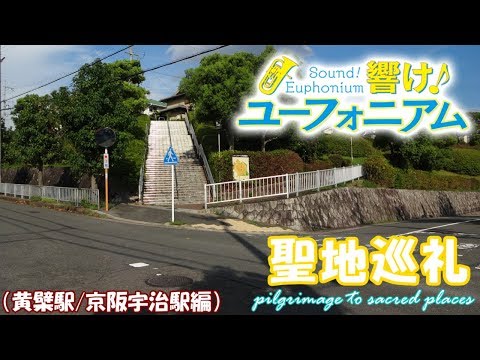
Travel Snapshot
Key planning details for this stop, organized like a quick on-the-go pilgrimage guide.
Season
Morning or late afternoon
For Photographers
This stop has strong anime comparison potential once you match its framing to scenes from the series.
Keihan Uji Station is one of the key real-world stops in the world of Sound! Euphonium.
Keihan Uji Station helps visitors experience the atmosphere that makes Uji feel so vivid in Hibike! Euphonium.
It helps visitors understand how the anime uses real transportation nodes to build a believable sense of daily rhythm and movement.
A full scene-by-scene comparison, travel advice, and photography notes will be added when the detailed Spot write-up is ready.
Why This Stop Matters
This stop has strong anime comparison potential once you match its framing to scenes from the series.
Even before the full Spot notes are added, this stop already helps reveal why Uji feels so inseparable from the emotional world of Sound! Euphonium.
The iconic bridge at the heart of Uji and one of the most important recurring locations in Hibike! Euphonium.

Travel Snapshot
Key planning details for this stop, organized like a quick on-the-go pilgrimage guide.
For Photographers
Stand near the center of the bridge to recreate the wide river views seen throughout the series.
Walk Across the Iconic Bridge at the Heart of Hibike! Euphonium
Stretching across the Uji River in Kyoto Prefecture, Uji Bridge is one of Japan's oldest and most historically significant bridges. For more than a thousand years, it has connected both sides of Uji and served as a gateway to the city's famous temples, tea shops, and riverside scenery.
For fans of Hibike! Euphonium, Uji Bridge is much more than a historic landmark. It is one of the series' most important recurring locations, appearing throughout all three seasons and the films.
Kumiko Oumae, Reina Kousaka, and other members of the Kitauji High School Concert Band frequently cross the bridge on their way to school, competitions, and personal meetings, making it one of the most recognizable destinations on the pilgrimage.
Unlike locations that appear only once, Uji Bridge is woven into the story from beginning to end.
It serves as a daily route between home, school, and the city center, a setting for conversations that reveal the characters' hopes and anxieties, and a symbolic transition point as the band members grow as musicians and individuals.
Because the bridge appears repeatedly in different seasons and weather conditions, fans often recognize it immediately from its distinctive wooden railings, wide pedestrian paths, and views over the Uji River.
What to See
Stand near the center of the bridge to recreate the wide river views seen throughout the series.
Uji Bridge is believed to have been first constructed in 646 AD, making it one of Japan's oldest bridges.
The bridge also appears in classical Japanese literature, including The Tale of Genji, strengthening its cultural importance beyond its role in the anime.
Although it has been rebuilt many times due to floods, warfare, and natural disasters, it remains one of Uji's defining landmarks today.
Uji Bridge is more than just a route across the river. It is a symbol of the journey shared by the members of the Kitauji High School Concert Band. Whether the characters are heading to rehearsal, reflecting on their future, or simply enjoying a quiet walk home, the bridge quietly accompanies their growth. Standing here with the gentle flow of the Uji River below, it is easy to understand why Kyoto Animation returned to this location again and again throughout the series.
The peaceful riverside landscape that defines the reflective everyday atmosphere of Hibike! Euphonium.

Travel Snapshot
Key planning details for this stop, organized like a quick on-the-go pilgrimage guide.
For Photographers
The river is best photographed during golden hour, when warm light reflects softly across the water.
Stroll Along the Riverside That Defines the Peaceful Atmosphere of Hibike! Euphonium
Flowing through the heart of Uji, Uji River is one of the city's defining natural landmarks. Surrounded by historic temples, traditional tea houses, parks, and pedestrian paths, the river has shaped Uji's history for more than a thousand years.
In Hibike! Euphonium, the Uji River is far more than a scenic backdrop. It appears throughout the series as Kumiko Oumae and her friends walk to school, talk about music, celebrate victories, and reflect on their future.
Unlike a single landmark, the Uji River represents the calm rhythm of everyday life that defines much of the series.
The Uji River frequently appears during quiet moments between rehearsals and competitions.
Rather than dramatic action scenes, it provides a peaceful setting where the characters walk home after band practice, share personal conversations, reflect on performances and future goals, and enjoy the changing seasons of Uji.
Its gentle flow mirrors the emotional pacing of the story, making it one of the series' most important visual motifs.
What to See
The river is best photographed during golden hour, when warm light reflects softly across the water.
While many anime are remembered for spectacular landmarks, Hibike! Euphonium is equally defined by ordinary places. The Uji River is where conversations unfold, friendships deepen, and everyday life quietly continues, capturing the gentle atmosphere that makes the series so memorable.
The widely recognized real-world inspiration for Kitauji High School and one of the most important stops for dedicated fans.

Travel Snapshot
Key planning details for this stop, organized like a quick on-the-go pilgrimage guide.
Season
Daytime from public viewpoints
For Photographers
This stop has strong anime comparison potential once you match its framing to scenes from the series.
Kyoto Prefectural Todoh Senior High School is one of the key real-world stops in the world of Sound! Euphonium.
Kyoto Prefectural Todoh Senior High School helps visitors experience the atmosphere that makes Uji feel so vivid in Hibike! Euphonium.
It is central to the series because school life, rehearsal culture, and the concert band's identity all revolve around this setting.
A full scene-by-scene comparison, travel advice, and photography notes will be added when the detailed Spot write-up is ready.
Why This Stop Matters
This stop has strong anime comparison potential once you match its framing to scenes from the series.
Even before the full Spot notes are added, this stop already helps reveal why Uji feels so inseparable from the emotional world of Sound! Euphonium.
Uji's UNESCO landmark and the city's best-known historic backdrop within the world of Hibike! Euphonium.

Travel Snapshot
Key planning details for this stop, organized like a quick on-the-go pilgrimage guide.
For Photographers
Morning generally provides the softest lighting on Phoenix Hall and the most balanced reflections in the pond.
Visit Uji's UNESCO Landmark Featured Throughout Hibike! Euphonium
Located on the banks of the Uji River, Byodoin Temple is Uji's most famous cultural landmark and one of Japan's finest surviving examples of Heian-period architecture.
Originally built as an aristocratic villa in the 11th century before being converted into a Buddhist temple, Byodoin is best known for its elegant Phoenix Hall, which appears on the reverse of Japan's 10-yen coin.
Although Hibike! Euphonium focuses on the everyday lives of high school musicians, Kyoto Animation frequently uses Uji's historic scenery to establish the city's identity, and Byodoin is one of the clearest examples of that cultural backdrop.
Unlike schools or railway stations, Byodoin is not the setting for major character interactions. Instead, it represents the cultural backdrop that makes Uji unique.
Throughout the series, the temple helps establish Uji as a historic city rather than a fictional setting, reinforces the peaceful atmosphere surrounding the students' daily lives, and highlights the contrast between centuries-old tradition and modern youth.
Kyoto Animation's faithful recreation of the temple and its surrounding landscape reflects the studio's careful attention to real-world detail.
What to See
Morning generally provides the softest lighting on Phoenix Hall and the most balanced reflections in the pond.
Byodoin Temple was designated a UNESCO World Heritage Site in 1994 as part of the Historic Monuments of Ancient Kyoto.
Even visitors unfamiliar with the anime often recognize Phoenix Hall from the reverse of Japan's 10-yen coin.
While Hibike! Euphonium tells a story about music and youth, Byodoin Temple reminds visitors that those everyday moments unfold within one of Japan's oldest cultural landscapes. Standing before Phoenix Hall, it becomes easy to appreciate how Kyoto Animation blended contemporary life with centuries of history to create the unique atmosphere of Uji.
The traditional shopping street that brings Uji's tea culture and everyday street life into the Hibike! Euphonium pilgrimage.

Travel Snapshot
Key planning details for this stop, organized like a quick on-the-go pilgrimage guide.
For Photographers
Morning provides softer light and fewer crowds, which makes it easier to capture the street's warm, traditional atmosphere.
Walk the Traditional Shopping Street Featured Throughout Hibike! Euphonium
Leading from central Uji toward Byodoin Temple, Byodoin Omotesando is a charming pedestrian street lined with traditional tea houses, confectionery shops, cafes, restaurants, and souvenir stores.
Stretching for approximately 300 meters, it offers visitors one of the best introductions to Uji's famous tea culture.
In Hibike! Euphonium, the shopping street appears in various background scenes as the characters explore the city, helping establish the everyday rhythm of Uji as a lively yet relaxed historic district.
One of Kyoto Animation's greatest strengths is its attention to everyday details, and Byodoin Omotesando reflects that philosophy perfectly.
The street represents daily life in Uji, the city's famous matcha culture, historic architecture preserved alongside modern businesses, and the welcoming atmosphere surrounding many scenes in the series.
Walking here helps visitors appreciate that Hibike! Euphonium is as much about its setting as its characters.
What to See
Morning provides softer light and fewer crowds, which makes it easier to capture the street's warm, traditional atmosphere.
A classic modern tea stop while walking the street.
A signature dessert choice in Uji.
A popular easy snack for warm days.
Ideal if you want the most traditional tasting experience.
A deeper connection to Uji's sweets culture beyond anime sightseeing.
Byodoin Omotesando captures the quieter side of Hibike! Euphonium. Between rehearsals and competitions, the series reminds us that Uji is a real city with centuries of history, vibrant local businesses, and a tea culture unlike anywhere else in Japan. A leisurely walk down this street is one of the best ways to experience the everyday charm that makes the anime feel so authentic.
A graceful pedestrian bridge and one of the clearest landmark comparison points in the world of Hibike! Euphonium.

Travel Snapshot
Key planning details for this stop, organized like a quick on-the-go pilgrimage guide.
For Photographers
Stand near the center of the bridge for panoramic views of the river and surrounding landscape.
Cross the Bridge Featured in Some of Hibike! Euphonium's Most Memorable Scenes
Located just upstream from Uji Bridge, Asagiri Bridge is a graceful pedestrian bridge spanning the Uji River. Connecting central Uji with Nakanoshima Park, it offers some of the city's finest river views and serves as a favorite walking route for both locals and visitors.
In Hibike! Euphonium, Asagiri Bridge appears repeatedly as Kumiko and other members of the Kitauji High School Concert Band move through Uji.
Its elegant curved railings, open river views, and tranquil surroundings were recreated with remarkable accuracy by Kyoto Animation, making it one of the easiest locations for fans to recognize.
Asagiri Bridge appears during several quiet transitional scenes that define the emotional tone of the series.
The bridge represents daily walks through Uji, moments of reflection before and after rehearsals, friendships growing outside the rehearsal room, and the connection between Uji's historic center and its riverside parks.
Rather than being the setting for one dramatic event, it becomes memorable through repeated appearances across the series.
What to See
Stand near the center of the bridge for panoramic views of the river and surrounding landscape.
Asagiri Bridge may not be Uji's oldest landmark, but it perfectly captures the everyday beauty of Hibike! Euphonium. Standing above the gently flowing Uji River, it is easy to see why Kyoto Animation chose this quiet crossing again and again to accompany the characters' journey through music, friendship, and adolescence.
A quiet historic shrine that adds timeless local character to the world of Hibike! Euphonium.

Travel Snapshot
Key planning details for this stop, organized like a quick on-the-go pilgrimage guide.
For Photographers
Morning light filters beautifully through the surrounding trees, creating a soft atmosphere similar to many of the anime's quieter backgrounds.
Discover the Historic Shrine That Adds Timeless Charm to Hibike! Euphonium
Tucked away in a quiet residential area near the Uji River, Uji Shrine is one of Uji's oldest Shinto shrines.
Dedicated to Prince Uji no Wakiiratsuko, a legendary figure associated with wisdom and learning, the shrine has long been a place where local residents pray for academic success, personal growth, and good fortune.
Although it is less famous than nearby Byodoin Temple, Uji Shrine contributes to the authentic atmosphere of Hibike! Euphonium and offers a peaceful stop away from Uji's busier sightseeing areas.
One of the defining qualities of Hibike! Euphonium is its attention to everyday landscapes.
Rather than relying only on famous landmarks, the series includes ordinary streets, shrines, parks, and riverside paths that local residents encounter every day, and Uji Shrine helps create that sense of authenticity.
Although the shrine is not the setting for a major performance or dramatic turning point, it appears within the broader landscape that the characters move through as they travel around Uji, helping establish the city's tranquil atmosphere.
What to See
Morning light filters beautifully through the surrounding trees, creating a soft atmosphere similar to many of the anime's quieter backgrounds.
According to local tradition, Prince Uji no Wakiiratsuko was guided to safety by a rabbit that repeatedly looked back to ensure he was following.
Rabbit statues and wooden prayer plaques throughout the shrine commemorate this story, making Uji Shrine distinct among the city's historic sites.
Compared with Byodoin Temple, the shrine offers a more intimate glimpse into Uji's spiritual traditions and neighborhood atmosphere.
Uji Shrine may not be the most prominent location in Hibike! Euphonium, but it reflects the series' greatest strength: finding beauty in everyday places. Surrounded by trees and steeped in local legend, the shrine invites visitors to slow down and experience the quieter rhythm of Uji, the same atmosphere that Kyoto Animation so carefully brought to life on screen.
Kyoto Animation's attention to detail makes this one of the easiest anime pilgrimages for scene comparison.
Uji is internationally renowned for producing premium matcha and gyokuro. Visit traditional tea houses, enjoy matcha desserts, or join a tea tasting experience.
A UNESCO World Heritage Site and one of Japan's most celebrated Buddhist temples, Byodoin is also featured on the reverse of the Japanese 10-yen coin.
The riverside paths offer a peaceful atmosphere throughout the year and are especially beautiful during cherry blossom and autumn foliage seasons.
Compared with central Kyoto, Uji offers a quieter pace while preserving centuries of history, traditional architecture, and local culture.
JR Uji Station
Most visitors begin here because it is directly connected to Kyoto Station via the JR Nara Line.
Uji's compact layout makes walking the best way to experience the pilgrimage.
Cherry blossoms along the Uji River create one of the city's most beautiful landscapes.
Lush greenery and riverside scenery resemble many scenes from the anime.
Colorful maple leaves make Uji Bridge and the surrounding parks especially photogenic.
A quieter season ideal for visitors seeking peaceful walks and fewer crowds.
Perfect for first-time visitors who want the strongest Sound! Euphonium atmosphere in a compact and highly walkable route.
Primarily on foot from JR Uji Station
Low to medium - train fare, snacks, tea, and optional temple admission
A full Uji route that balances major anime comparison spots with the city's river, tea, and heritage atmosphere.
Walking plus short local train connections if needed
Medium - train fare, meals, tea stops, and optional admissions
Best for travelers who want to pair the full Uji route with a broader Kyoto-focused cultural itinerary.
JR Nara Line, Keihan Line, and Kyoto local transit
Medium - trains, meals, and optional extra sightseeing
Spread the word to your friends and community.