Most locations are everyday public spaces
Stations, shopping streets, schools, and parks continue to serve local residents. Visit respectfully, avoid blocking walkways while taking photos, and keep noise to a minimum.
Unlike fantasy adventures or supernatural journeys, My Youth Romantic Comedy Is Wrong, As I Expected (Oregairu) tells its story through ordinary schools, train stations, parks, shopping streets, and quiet neighborhoods. Many of these locations are found throughout Chiba City, where creator Wataru Watari was born and where the series is largely set.
This pilgrimage isn't about chasing dramatic landmarks, it is about experiencing the familiar places where Hachiman Hikigaya, Yukino Yukinoshita, and Yui Yuigahama spent their daily lives. Walking these streets offers fans a chance to appreciate the subtle atmosphere that defines one of anime's most beloved coming-of-age stories.
Whether you are planning a full day exploring Chiba or simply want to visit a few iconic scenes, this guide will help you discover the real-world locations behind Oregairu while making the most of your trip.

| Main Destination | Chiba City, Chiba Prefecture |
|---|---|
| Best For | Oregairu fans, slice-of-life anime lovers, photography enthusiasts |
| Recommended Trip Length | 1–2 days |
| Best Season | Spring (March–April) and Autumn (October–November) |
| Difficulty | Easy |
| Getting Around | JR Sobu Line, Keisei Line, Chiba Urban Monorail, local buses, walking |
| Nearest Major Station | Chiba Station |
| From Tokyo | Around 40–50 minutes by JR Sobu Rapid Line |
| Estimated Budget | ¥8,000–15,000 per person (excluding accommodation) |
Unlike many anime pilgrimages that revolve around spectacular scenery or famous tourist attractions, Oregairu captures the quiet rhythm of everyday life. Much of the series unfolds in classrooms, train stations, residential neighborhoods, seaside parks, and cafes, places that thousands of local residents pass through every day.
That ordinary setting is exactly what makes this pilgrimage special. Walking through Chiba allows fans to experience the same calm atmosphere that shaped the relationships between the Service Club members. Rather than recreating action scenes, visitors can appreciate subtle details such as the layout of a station plaza, the view from a pedestrian bridge, or the peaceful coastline that frequently appears throughout the anime.
The compact layout of central Chiba also makes it easy to visit multiple locations in a single day using public transportation. Most featured sites are connected by JR trains, the Chiba Urban Monorail, or short walks, making this one of Japan's most accessible anime pilgrimages.
Stations, shopping streets, schools, and parks continue to serve local residents. Visit respectfully, avoid blocking walkways while taking photos, and keep noise to a minimum.
The anime's Sobu High School does not exist as a real school. While several buildings and streets in Chiba inspired its appearance, there is no official campus to visit. Enjoy the surrounding neighborhoods instead of searching for a specific school.
Most featured locations are within central Chiba and can be reached by JR East, the Keisei Line, or the Chiba Urban Monorail. Driving is generally unnecessary.
Many locations appear with subtle artistic adjustments rather than exact recreations. Saving anime screenshots beforehand can help you recognize viewpoints that might otherwise be easy to miss.
Several memorable scenes are set around Chiba's seaside parks and waterfront districts. Sunset provides some of the best lighting for photography and closely matches the atmosphere shown in the anime.
If you're planning your first Oregairu pilgrimage, watching a complete walking guide beforehand can help you recognize filming locations more easily and plan an efficient route around Chiba City.
Planned focus: Chiba City route overview, everyday street scenes, station areas, coastal viewpoints, and efficient walking connections between major Oregairu locations.
One of the most recognizable station environments associated with Oregairu’s commuting scenes.

Trip Facts
Visit Time
45–60 minutes
Difficulty
Easy
Travel Snapshot
Key planning details for this stop, organized like a quick on-the-go pilgrimage guide.
Where
Keisei Inage Station area, Chiba City, Chiba Prefecture
Getting There
Keisei Chiba Line. Around 15 minutes from Keisei Chiba Station.
Season
Morning (8:00–10:00) for school-commute atmosphere, or late afternoon for softer light.
For Photographers
Many iconic angles are found just outside the station rather than on the platforms.
An everyday transportation hub whose streets, crossings, and neighborhoods immediately evoke Oregairu’s familiar Chiba atmosphere.
Keisei Inage Station is one of the most recognizable transportation hubs associated with Oregairu. The surrounding streets, station entrances, pedestrian crossings, and nearby residential neighborhoods strongly resemble the environment where Hachiman and other characters begin or end their daily journeys.
Rather than serving as a dramatic setting, the station represents the ordinary routine that defines much of the series. Fans often recognize the familiar atmosphere even when individual buildings have changed slightly since the anime aired.
Featured In
Many iconic angles are found just outside the station rather than on the platforms.
A peaceful cultural stop with old shrine grounds and a calmer side of the area.
Another key everyday-life location that pairs naturally with Keisei Inage in a walking route.
Useful for comparison photos and for experiencing the lived-in commercial atmosphere of the district.
| Anime Recognition | Highly recognizable |
|---|---|
| Walking Convenience | Excellent |
| Photography | Strong for comparison shots |
| Time Required | Short stop or route starting point |
Start here if you want to understand the everyday rhythm of Oregairu. The station area captures the tone of ordinary school life better than almost any dramatic landmark could.
A practical walking base for several nearby Oregairu locations and everyday city views.

Trip Facts
Visit Time
45–75 minutes
Difficulty
Easy
Travel Snapshot
Key planning details for this stop, organized like a quick on-the-go pilgrimage guide.
Where
JR Inage Station area, Chiba City, Chiba Prefecture
Getting There
JR Sobu Line. Approximately 40 minutes from Tokyo Station via the Sobu Rapid Line.
Season
Early evening for warm after-school lighting, or nighttime for illuminated storefront scenes.
For Photographers
The station plaza offers several elevated viewpoints that closely resemble anime backgrounds.
A station plaza and neighborhood gateway that makes Chiba’s ordinary streets feel instantly familiar to fans.
Located a short walk from Keisei Inage Station, JR Inage Station is another key inspiration for the daily life portrayed throughout the series. While the anime combines elements from multiple nearby locations, fans frequently recognize the station plaza, surrounding intersections, and pedestrian walkways.
The station serves as a convenient starting point for exploring many nearby pilgrimage sites on foot.
Featured In
The station plaza offers several elevated viewpoints that closely resemble anime backgrounds.
A natural companion stop for comparing the two everyday station zones that shape the area.
A quieter detour that adds cultural depth to a station-focused walking route.
Useful for breaks and for enjoying the lived-in neighborhood feel that fits Oregairu’s tone.
| Anime Recognition | Recognizable in multiple scenes |
|---|---|
| Accessibility | Very easy from Tokyo |
| Photography | Best at dusk and night |
| Best Use | Walking base for nearby locations |
JR Inage Station works best as a practical anchor point. It is less about one single famous angle and more about understanding how Oregairu builds authenticity from ordinary urban space.
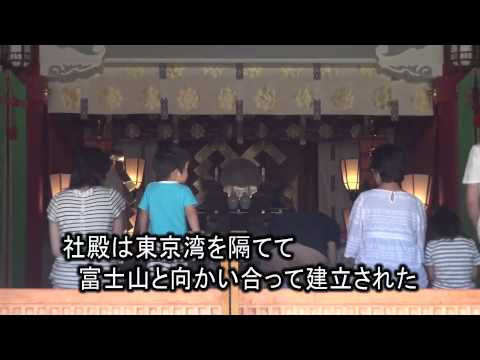
A historic shrine setting that brings calm, reflection, and local heritage into the pilgrimage.
Trip Facts
Visit Time
45–60 minutes
Difficulty
Easy
Travel Snapshot
Key planning details for this stop, organized like a quick on-the-go pilgrimage guide.
Where
Inage Sengen Shrine, Chiba City, Chiba Prefecture
Getting There
Approximately 10–15 minutes on foot from Keisei Inage Station.
Season
Morning for the quietest atmosphere. Spring and autumn are especially photogenic.
For Photographers
Wide shots from the entrance path best capture the layered torii gates and surrounding greenery.
A centuries-old shrine whose layered torii, trees, and stone paths echo Oregairu’s quieter emotional moments.
Founded more than 1,200 years ago, Inage Sengen Shrine is one of Chiba's oldest Shinto shrines and appears as inspiration for several quieter moments in the series.
Unlike the busy stations nearby, the shrine provides a peaceful setting that reflects the introspective tone of many Oregairu scenes. Its stone pathways, torii gates, and mature trees create a calm atmosphere that contrasts with the bustle of everyday school life.
Even for visitors unfamiliar with the anime, it is one of the most worthwhile cultural stops in the area.
Featured In
Wide shots from the entrance path best capture the layered torii gates and surrounding greenery.
A nearby coastal stop that contrasts beautifully with the shrine’s stillness.
Easy to pair with the station-area scenes in the same half-day route.
Good places to slow down after visiting the shrine grounds.
| Cultural Value | Excellent |
|---|---|
| Atmosphere | Quiet and reflective |
| Photography | Best in spring and autumn |
| Best Use | Calmer stop between station scenes |
Inage Sengen Shrine gives the Oregairu route emotional range. It is one of the stops that helps explain why Chiba feels so grounded and lived-in throughout the series.
A coastal location where Chiba’s relaxed waterfront mood becomes one of the pilgrimage’s defining experiences.

Trip Facts
Visit Time
60–90 minutes
Difficulty
Easy
Travel Snapshot
Key planning details for this stop, organized like a quick on-the-go pilgrimage guide.
Where
Inage Seaside Park, Chiba City, Chiba Prefecture
Getting There
From JR Inage Station, take a local bus to Inage Kaihin Koen, then walk several minutes.
Season
Late afternoon until sunset. Summer evenings are especially rewarding.
For Photographers
Golden hour creates lighting remarkably similar to the anime, especially along the promenade and waterfront edge.
Long promenades, open sea views, and sunset light make this one of the clearest ways to feel Oregairu’s coastal Chiba identity.
The waterfront scenery around Inage Seaside Park perfectly matches the relaxed mood found throughout Oregairu. Although individual shots were sometimes composited from multiple locations, the park's long promenades, open sea views, and quiet atmosphere strongly resemble many outdoor scenes from the anime.
For many fans, this is where Chiba's coastal identity becomes most apparent.
Featured In
Golden hour creates lighting remarkably similar to the anime, especially along the promenade and waterfront edge.
A natural extension of the waterfront experience and a useful comparison point for coastal scenes.
A distinctive beachfront spot that adds another layer to the park-area visit.
A broader city-and-sea location that helps continue the Chiba coastal route.
A recognizable landmark if you extend your trip toward the port district.
| Atmosphere | One of the route’s most memorable stops |
|---|---|
| Photography | Excellent at golden hour |
| Accessibility | Easy with one local bus ride |
| Best Use | End-of-day coastal visit |
If you want the most mood-driven stop on this first Oregairu route, this is it. Inage Seaside Park turns the pilgrimage from a station walk into a fuller Chiba experience.
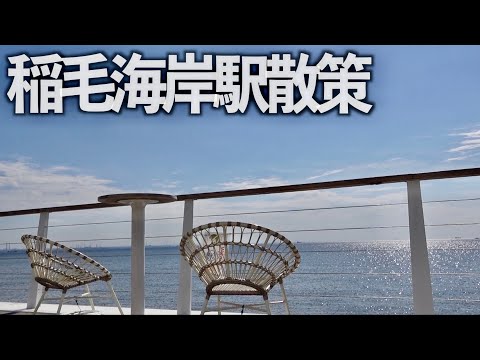
A broad coastal stretch beside Inage Seaside Park that captures the reflective side of Chiba’s waterfront identity.
Trip Facts
Visit Time
45–75 minutes
Difficulty
Easy
Travel Snapshot
Key planning details for this stop, organized like a quick on-the-go pilgrimage guide.
Where
Inage Beach, Chiba City, Chiba Prefecture
Getting There
Walk about 10 minutes from Inage Seaside Park, or take a local bus from JR Inage Station.
Season
Late afternoon through sunset. Spring and autumn offer the most comfortable weather.
For Photographers
The strongest comparison angles usually face the bay rather than inland toward the city.
Gentle waves, open sky, and Tokyo Bay views make this one of the most relaxing and authentic-feeling stops on the Oregairu route.
Located beside Inage Seaside Park, Inage Beach is one of the defining landscapes of Chiba's waterfront. While Oregairu rarely emphasizes famous landmarks, its seaside scenes capture the quiet, reflective atmosphere that this beach is known for.
The combination of gentle waves, broad walking paths, and views across Tokyo Bay makes it easy to understand why the anime's backgrounds feel so authentic. Whether you're retracing familiar scenes or simply enjoying the coastline, this is one of the most relaxing stops on the pilgrimage.
Featured In
The strongest comparison angles usually face the bay rather than inland toward the city.
The natural paired stop for extending your waterfront route.
A recognizable beachfront area that adds another dimension to the coastal visit.
A useful continuation if you want to keep following Chiba’s harbor identity.
| Atmosphere | Calm and highly authentic |
|---|---|
| Photography | Best facing the bay |
| Pace | Relaxed coastal stop |
| Best Use | Ideal paired with Inage Seaside Park |
Inage Beach is less about one exact scene match and more about feeling the quiet emotional tone that makes Oregairu’s Chiba waterfront so convincing.
A skyline landmark that helps visitors understand the geography and broader coastal setting of Chiba.

Trip Facts
Visit Time
45–60 minutes
Difficulty
Easy
Travel Snapshot
Key planning details for this stop, organized like a quick on-the-go pilgrimage guide.
Where
Chiba Port Tower, Chiba City, Chiba Prefecture
Getting There
Approximately 15 minutes on foot from Chiba Minato Station.
Season
Sunset, when daytime coastal views shift into evening city lights.
For Photographers
The observation deck is especially useful for understanding how several real-life Oregairu areas fit together across the city.
More city landmark than exact anime scene, this tower helps frame Chiba as a real place behind the series.
Standing 125 meters above the waterfront, Chiba Port Tower is one of the city's best-known landmarks. While it is not the focus of any major Oregairu scene, it frequently appears as part of the city's skyline and helps establish the setting of Chiba.
For visitors, the observation deck offers an excellent opportunity to appreciate the geography of the city that inspired the series. On clear days, you can enjoy panoramic views of Tokyo Bay, central Chiba, and even Mount Fuji in the distance.
Featured In
The observation deck is especially useful for understanding how several real-life Oregairu areas fit together across the city.
A natural continuation for slower waterfront walking scenes.
Useful for linking the harbor area with the rest of the city route.
A distinctive transit feature that adds another layer of Chiba’s identity.
| Scenic Value | Excellent overview point |
|---|---|
| Anime Recognition | Indirect but useful context |
| Photography | Strong at sunset and blue hour |
| Best Use | City-setting orientation stop |
Chiba Port Tower is worth visiting because it helps turn the pilgrimage into a fuller city experience. It gives you context for how Oregairu’s everyday spaces fit into a larger coastal urban setting.
A spacious waterfront park whose open lawns and harbor promenades echo the series’ calm everyday mood.

Trip Facts
Visit Time
30–60 minutes
Difficulty
Easy
Travel Snapshot
Key planning details for this stop, organized like a quick on-the-go pilgrimage guide.
Where
Chiba Port Park, Chiba City, Chiba Prefecture
Getting There
About 5 minutes on foot from Chiba Port Tower.
Season
Morning for quiet space, or evening for harbor reflections.
For Photographers
The harbor promenade offers several wide compositions that feel close to the anime’s more spacious coastal backgrounds.
A quieter harbor-side stop that lets the pilgrimage breathe between stations, streets, and busier city scenes.
Adjacent to Chiba Port Tower, Chiba Port Park offers spacious lawns, waterfront promenades, and peaceful walking paths that reflect the calm tone of Oregairu.
Although the anime rarely identifies specific parks by name, fans often recognize the atmosphere created by these open coastal spaces. It is an ideal place to slow down between pilgrimage stops and experience the everyday scenery that inspired the series.
Featured In
The harbor promenade offers several wide compositions that feel close to the anime’s more spacious coastal backgrounds.
The obvious landmark companion stop for the area.
Useful for entering or leaving the harbor district.
Adds a distinctly Chiba transit layer to the same route.
| Atmosphere | Quiet and spacious |
|---|---|
| Walking Comfort | Very good |
| Photography | Best in the morning |
| Best Use | Slow pace between major stops |
Chiba Port Park may not be the flashiest stop, but it captures something central to Oregairu: the emotional weight of ordinary public space.
A distinctive suspended transit system that repeatedly reinforces Chiba’s identity in the series.

Trip Facts
Visit Time
30–60 minutes for a short ride segment
Difficulty
Easy
Travel Snapshot
Key planning details for this stop, organized like a quick on-the-go pilgrimage guide.
Where
Chiba Urban Monorail network, centered on JR Chiba Station and Chiba Minato
Getting There
The monorail connects directly with JR Chiba Station, making it easy to incorporate into any pilgrimage itinerary.
Season
Late afternoon for natural light, or night for illuminated streets and shopping districts.
For Photographers
The ride itself is one of the best parts of this stop, especially if you want to understand the city from above rather than only at street level.
One of Chiba’s most iconic transport features, and one of the best ways to feel the city moving around you.
The Chiba Urban Monorail is one of the city's most distinctive features and frequently appears in establishing shots throughout Oregairu. As the world's longest suspended monorail system, it has become an icon of Chiba itself.
Riding the monorail offers fans a unique perspective of the neighborhoods that inspired the anime, connecting many pilgrimage locations while providing elevated views of the city.
Featured In
The ride itself is one of the best parts of this stop, especially if you want to understand the city from above rather than only at street level.
The easiest integration point for most routes.
A natural harbor-area extension if you ride toward the waterfront.
A quieter urban stop if you want to branch away from the port side.
A practical transfer point between city and bay areas.
| City Identity | One of Chiba’s strongest icons |
|---|---|
| Anime Recognition | High in establishing sequences |
| Convenience | Easy to fit into any itinerary |
| Best Use | Transit experience and elevated views |
The Chiba Urban Monorail is not just transport, it is part of the atmosphere. Riding it helps you experience Oregairu’s Chiba as a connected, lived-in city rather than a list of isolated spots.
One of the strengths of an Oregairu pilgrimage is that it naturally introduces visitors to Chiba itself. Unlike destinations built around a single famous landmark, these locations showcase the city's everyday charm, its waterfront, efficient public transportation, quiet neighborhoods, and relaxed coastal atmosphere.
By the end of this section, you'll have explored the places that best capture the world of Hachiman, Yukino, and Yui while also discovering why Chiba is an enjoyable destination in its own right.
Anime vs Real Life
One of the joys of an Oregairu pilgrimage is discovering how faithfully the anime recreates Chiba's everyday scenery. Instead of dramatic landmarks, the series focuses on stations, pedestrian bridges, shopping streets, parks, and waterfront promenades. While some backgrounds are simplified or slightly rearranged, many viewpoints remain instantly recognizable to fans.
Comparing anime scenes with their real-world counterparts reveals the attention to detail that helped make the story feel grounded and authentic.
Many comparison shots are easiest to recreate on weekday mornings or late afternoons when pedestrian traffic is lighter.
| Anime Scene | Real Location | Episode |
|---|---|---|
| School commute | Inage Station area | Season 1 |
| Service Club surroundings | Neighborhood near Inage | Multiple episodes |
| Waterfront conversations | Chiba Port waterfront | Multiple episodes |
| Park walks | Inage Seaside Park | Season 2 |
| Shopping district scenes | Around Chiba Station | Multiple episodes |
| Evening city views | Chiba Urban Monorail area | Season 3 |
A pilgrimage to Oregairu isn't just about recreating scenes from the anime. Chiba offers a relaxed coastal atmosphere, excellent seafood, and attractions that make it well worth spending an extra day exploring.
Much of Chiba's identity is shaped by Tokyo Bay. After visiting the anime locations, take time to enjoy the city's waterfront parks, walking trails, and observation decks.
Only a few train stops away lies Makuhari, one of Chiba’s modern commercial districts.
If you are visiting Chiba for a full weekend, Makuhari is an excellent addition to your itinerary.
While Oregairu focuses on modern daily life, Chiba also preserves many historic sites.
Compared with central Tokyo, Chiba is generally less crowded and more affordable.
Many restaurants around Chiba and Inage Stations are frequented by residents rather than tourists, making them ideal for experiencing everyday life much like the atmosphere portrayed in Oregairu.
Although Chiba isn't an anime shopping destination on the scale of Akihabara, fans can still find official merchandise and collectibles during their visit.
The shopping complexes connected to JR Chiba Station include bookstores, hobby shops, and character goods stores that occasionally stock merchandise from popular anime series.
For the widest selection of anime products in the city, Animate Chiba is the best stop.
Fans looking for discontinued or second-hand merchandise may enjoy browsing Book Off and Surugaya stores in the Chiba area.
Their inventory changes regularly, making each visit a little different.
Cherry blossoms bloom around parks, shrines, and residential streets, creating scenery that perfectly matches the gentle atmosphere of the series. Spring also brings comfortable temperatures for walking between locations.
The waterfront becomes livelier as visitors gather at Inage Beach. Evening walks are particularly enjoyable thanks to the sea breeze, though daytime temperatures can be quite high.
Perhaps the best season for an Oregairu pilgrimage. Cool weather, colorful foliage, and clear skies make long walks around Chiba especially pleasant.
Winter offers crisp air and fewer crowds. On exceptionally clear days, visitors at Chiba Port Tower may even catch a distant view of Mount Fuji across Tokyo Bay.
Perfect for visitors traveling from Tokyo. Most featured locations are connected by train, monorail, or short walks, making this one of Japan’s easiest anime pilgrimages to complete without renting a car.
JR Chiba Station -> Chiba Urban Monorail -> Keisei Inage Station -> JR Inage Station area -> Inage Sengen Shrine -> Inage Seaside Park -> Inage Beach -> Chiba Port Tower
Around ¥8,000–15,000 excluding accommodation
Ideal for dedicated fans who want to explore both the everyday neighborhoods and Chiba’s waterfront at a slower pace.
Day 1 on foot and local rail around Inage and Chiba; Day 2 focused on waterfront buses, walking routes, and harbor-area stops.
Flexible budget depending on overnight stay and meals
Because Chiba is less than an hour from central Tokyo, Oregairu makes an excellent weekend destination that blends anime sightseeing with local culture.
Base yourself around Chiba Station and combine pilgrimage stops with nearby urban, cultural, and shopping districts.
Flexible depending on accommodation and shopping
Spread the word to your friends and community.